
Menu
Close
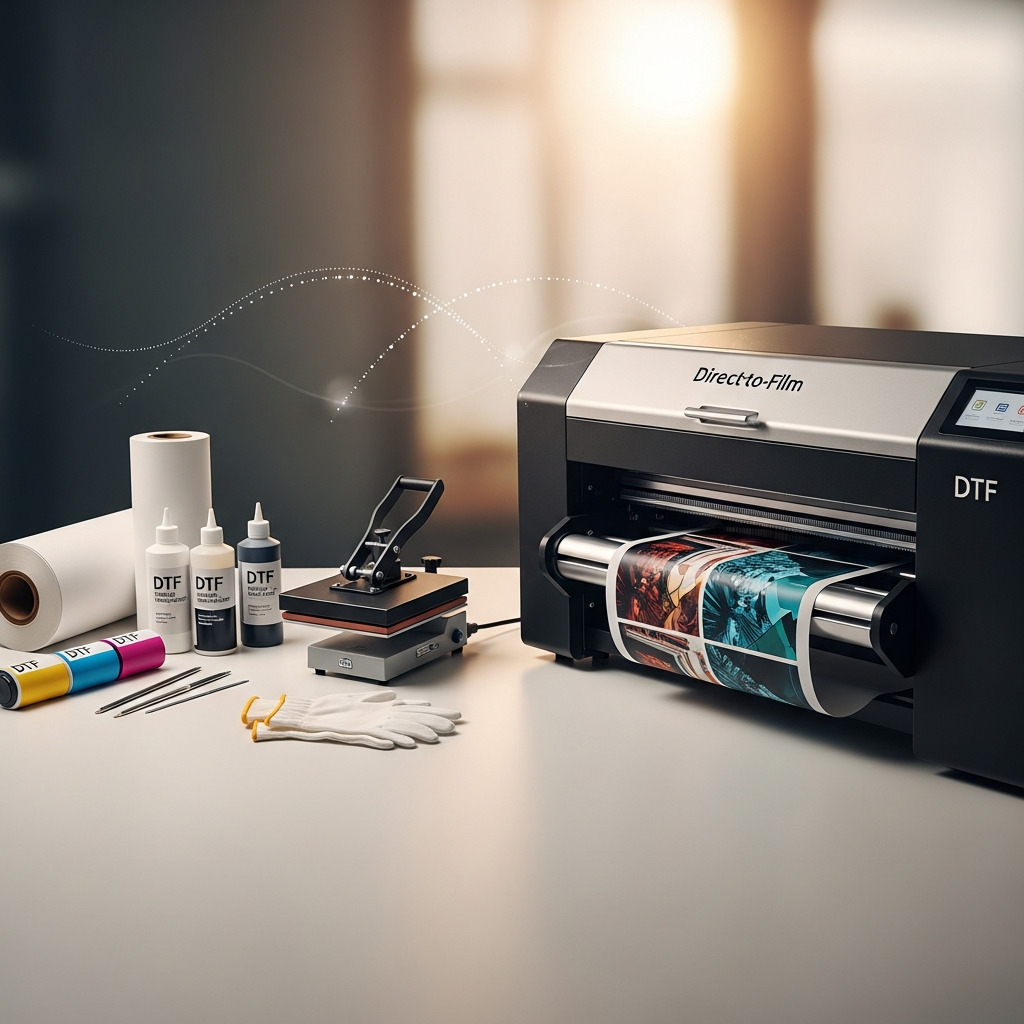
Investing in a Direct to Film (DTF) printing system is a major step for any apparel decorator. The technology offers incredible versatility, allowing you to print vibrant, durable designs on almost any fabric. However, buying the equipment is only the first part of the process. Running a high-volume DTF printer efficiently requires a solid understanding of maintenance, software, and workflow. That is why knowing how to find DTF printer training courses or tutorials is just as important as selecting the right machine.
Unlike standard desktop paper printers, commercial DTF systems involve complex processes like white ink circulation, powder application, and precise heat curing. Without proper education, decorators often face clogged printheads, wasted film, and inconsistent colors. This guide will explain why structured training is necessary, what topics a good course should cover, and where to find the best educational resources to keep your production running smoothly.
Direct to Film printing involves multiple moving parts working together in perfect synchronization. When you skip formal training and rely entirely on trial and error, you risk damaging expensive components and losing valuable production time. Proper education provides a foundation that protects your investment and improves your profit margins.
The most common issues in DTF printing stem from a lack of routine maintenance. White DTF ink contains titanium dioxide, which can settle and clog ink lines, dampers, and printheads if not properly managed. A comprehensive training course will teach you exactly how to maintain your capping station, perform daily wet caps, and recognize when it is time to replace consumables like inline ink filters or wiper blades. Learning these preventive measures early prevents the need for expensive repairs, such as replacing an Epson I3200 printhead.
Your printer only outputs what your software tells it to. Many decorators struggle with muted colors or excessive ink usage simply because they do not understand their Raster Image Processor (RIP) software. High-quality tutorials will walk you through programs like Digital Factory Direct to Film Edition v12 or NeoStampa. You will learn how to adjust ink choke, manage ICC color profiles, and use features like Gangify to maximize the printable area on a roll of Super Peel Film. Proper software training directly translates to better-looking garments and lower ink costs.
The print industry offers several avenues for learning DTF mechanics. Depending on your budget, experience level, and the complexity of your equipment, you can choose from a few different educational models.
For beginners or those running smaller, modified desktop setups, the internet is full of free information. Video platforms and social media groups are packed with user-generated tutorials covering everything from resolving banding issues to replacing ribbon cables. While this information is highly accessible, it is often fragmented. What works for a converted hobby printer will not necessarily apply to a commercial-grade dual-head or eight-head machine. Use these free resources for quick troubleshooting, but do not rely on them as your sole source of operational training.
Several industry experts and software developers offer structured, paid online courses. These programs usually feature step-by-step video modules, downloadable maintenance checklists, and quizzes to test your knowledge. A paid course is an excellent way to learn the specific nuances of RIP software or advanced color management without leaving your shop. However, these courses cannot replace the physical experience of handling the equipment.
For print shops upgrading to industrial machines, on-site, manufacturer-provided training is the gold standard. When you purchase a commercial system, the vendor should provide hands-on instruction. This is the most effective way to learn because the training is tailored exactly to the machine you will be running every day, operating within your specific shop environment.
Whether you are searching for an online tutorial series or evaluating a vendor’s training program, the curriculum needs to be thorough. A truly effective DTF course will cover three main pillars of production.
Your training must cover the physical care of the machine. It should teach you how to properly clean the printhead carriage, manage waste ink pumps, and swap out parts like dampers and capping stations. Furthermore, it should cover the powder shaker and duster unit. You need to know how to adjust the duster belt speed, calibrate the temperature on the heating bulbs, and maintain the filtration systems to ensure a safe, smoke-free work environment.
As your business grows, your workflow needs to adapt. A good training program will show you how to scale. This includes organizing files for continuous roll printing and integrating automated cutting systems. For example, if you integrate a vision-based laser cutter into your shop, your training should cover how to generate the correct visual marks in your RIP software so the cutter can run continuously without operator delay.
Printing the film is only half the job. Transferring that print to a garment requires precision. Your education should detail the exact time, temperature, and pressure required for different fabrics. It should also cover how to operate commercial heat presses, such as the Hotronix Dual Air Fusion IQ, to ensure your transfers adhere perfectly and withstand hundreds of wash cycles without cracking or peeling.
Finding the right educational resources requires a bit of research. Here are the most straightforward methods to locate quality DTF training.
The best place to start is with the company that sold you the printer. Reputable dealers do not just ship a crate to your door and walk away. Ask your supplier if they offer on-site setup, operational training, or access to a library of video tutorials specifically recorded for your machine model.
Industry trade shows are excellent venues for education. Events dedicated to apparel decorating and printing often host seminars, live demonstrations, and hands-on workshops. These events give you the opportunity to ask questions directly to technicians and see new techniques applied in real time.
If your hardware mechanics are solid but your prints look dull, you likely need software training. Developers of popular RIP software frequently host free webinars and publish detailed video tutorials on their websites. Spending an afternoon watching a developer explain the advanced features of your RIP software can drastically improve your print quality.
At American Print & Supply (APAS), we know that selling you a printer is only the beginning of our relationship. We believe that proper education is the foundation of a profitable print shop. You shouldn’t have to spend hours scouring the internet for disjointed tutorials to figure out how to run your business.
That is why we focus on white-glove integration. When you invest in a commercial system like The Kraken, The Hydra, or The Artemis, comprehensive training is built into the package. Our professionals come to your facility, install the equipment, and provide multi-day, hands-on training. We teach your team everything from daily printhead maintenance and RIP software configuration to optimizing your Smart Duster and heat press parameters.
With over 160 years of combined industry experience, APAS provides the knowledge you need to eliminate bottlenecks, reduce waste, and scale your production with confidence. We build partnerships, not just sales, ensuring that when you power on your machine, you know exactly what to do.