Menu
Close
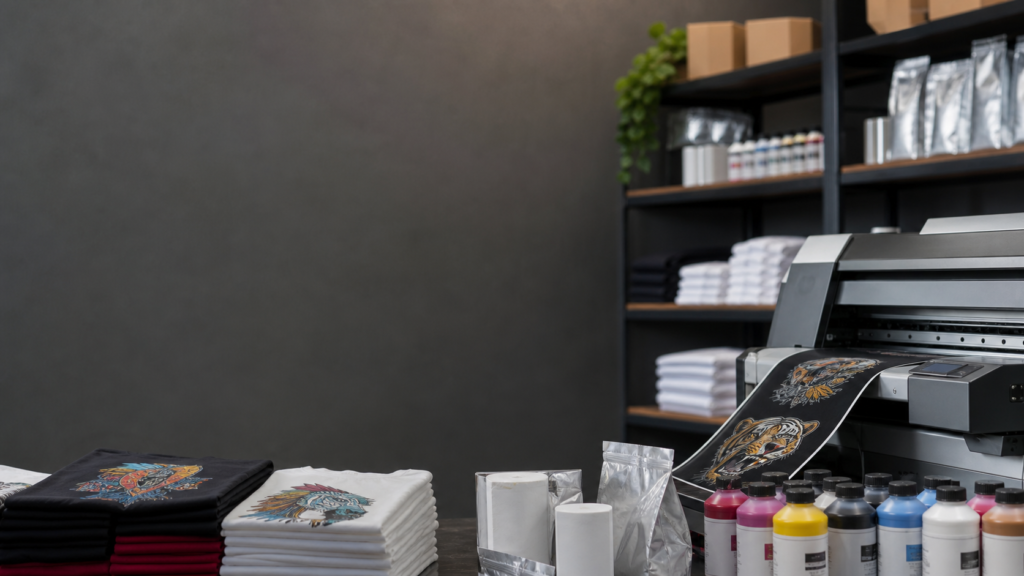
Direct to Film (DTF) printing has fundamentally changed the textile decoration industry. By allowing decorators to print on almost any fabric without pre-treatment, it offers a level of versatility that traditional screen printing and direct-to-garment methods simply cannot match. However, as your print shop grows, finding the right hardware becomes the dividing line between an efficient, highly profitable operation and a frustrating cycle of maintenance and downtime.
Choosing the right setup is about more than just finding the fastest printer. It requires a practical look at your daily output, your color matching needs, your post-print workflow, and the level of support you need to keep things running. This guide will walk you through exactly how to evaluate and select the right DTF equipment for your business.
The first and most important step is assessing your actual production needs. A shop fulfilling a few dozen custom orders a day requires an entirely different setup than a facility running thousands of wholesale transfers weekly. Buying too small leads to bottlenecks, while buying too large creates unnecessary overhead.
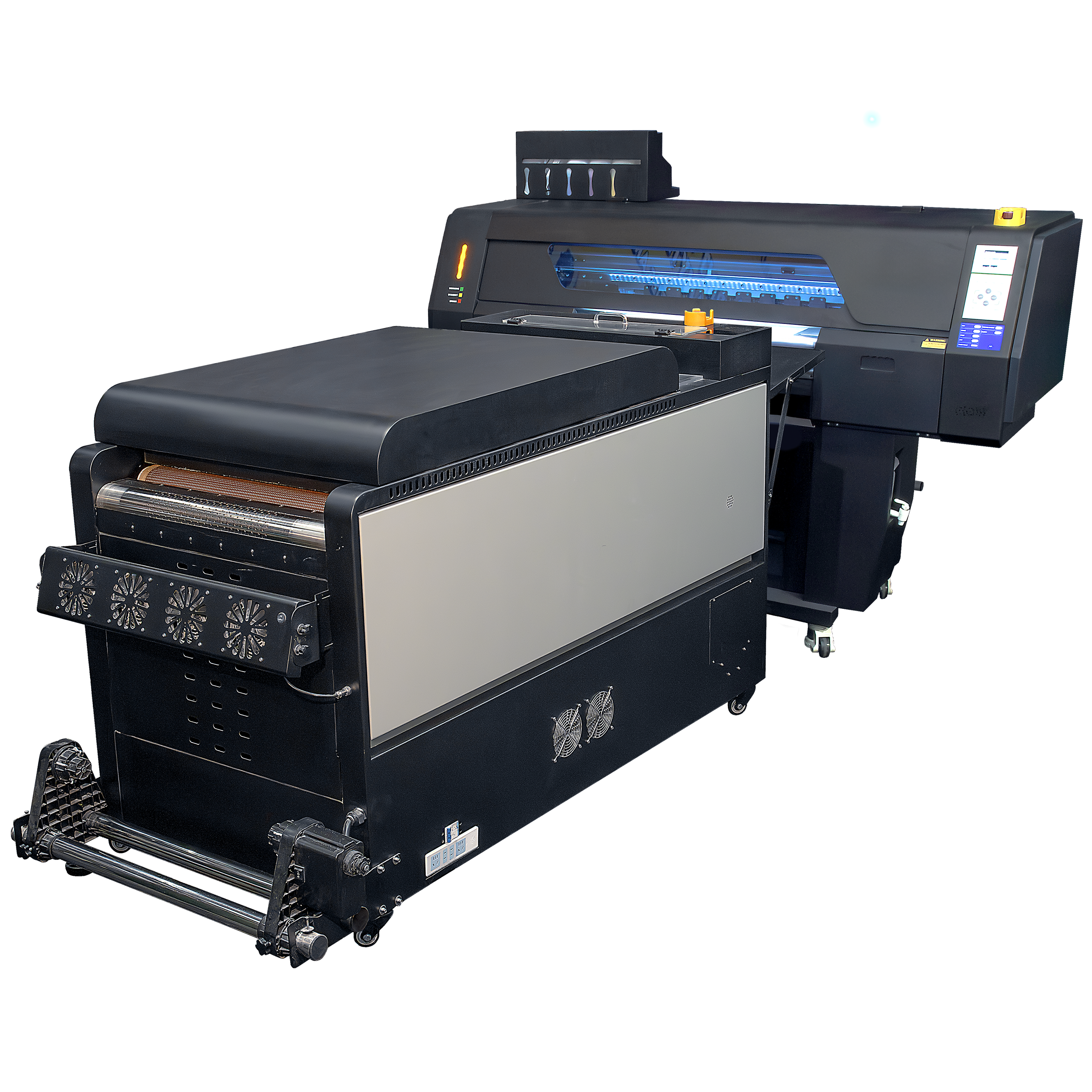
If you are transitioning away from manual vinyl weeding, upgrading from desktop printers, or handling steady boutique orders, you need a compact commercial machine. You want a system that provides industrial reliability without taking up massive amounts of floor space. Equipment like the Artemis 2-Head DTF Printer or the UFO Plug N Play system fits this category perfectly. These machines manage consistent daily output and provide professional-grade quality without requiring a massive facility or complex industrial power setups.
If your shop is dealing with high-volume roll-based orders or supplying transfers wholesale, speed and stability are your main priorities. You need equipment that can handle non-stop operation. High-volume systems require multiple printheads and advanced mechanical designs. For example, The Kraken utilizes eight Epson I3200 printheads and features a dual rail magnetic drive system. This specific design eliminates belt drag, allowing the machine to push out over 650 square feet per hour with extreme precision. When evaluating industrial machines, look strictly at continuous output speeds and the stability of the carriage during high-speed runs.
Speed is irrelevant if the final transfer looks washed out or fails to match your customer’s brand guidelines. The internal technology of the printer dictates the vibrancy and accuracy of your prints.
The engine of any DTF printer is the printhead. Currently, Epson I3200 technology is the standard for serious production. These printheads provide the exact balance of speed, high resolution, and consistent ink flow needed for dense textile prints. Additionally, pay close attention to how the printer manages white ink. White DTF ink contains heavy pigments that settle easily. Ensure the equipment you choose features automated white ink circulation pumps and stirrers to prevent clogs and keep production moving.
Standard CMYK configurations handle basic designs well, but modern apparel brands often require precise spot color matching. Look for printers that support expanded color gamuts. Systems offering 13 color combinations—such as CMYK combined with RGBO, SuperBlue+, or dual white channels—allow you to hit exact brand colors and produce significantly brighter, more accurate graphics. This capability sets professional shops apart from amateur operations.
A common mistake in textile printing is focusing entirely on the printer and ignoring what happens after the film is printed. The real bottlenecks often occur during the curing and cutting stages.
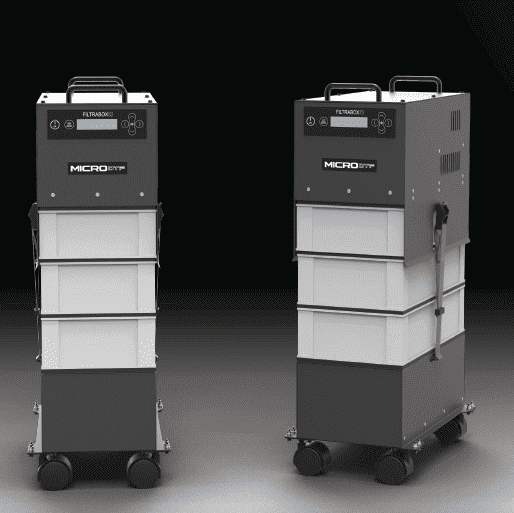
A fast printer requires a fast curing process. If your shaker and oven cannot keep pace, you have to slow down your printer, defeating the purpose of a high-speed machine. You need a duster system that matches your output. For industrial speeds, look for an extended smart duster with a dual oven design. The powder application must be perfectly even, and the cure must be consistent so the transfer adheres flawlessly to the garment. Proper ventilation is also a requirement; integrating units like a 250W Industrial Filtration Fume Extractor ensures a safe working environment and prevents buildup inside your facility.
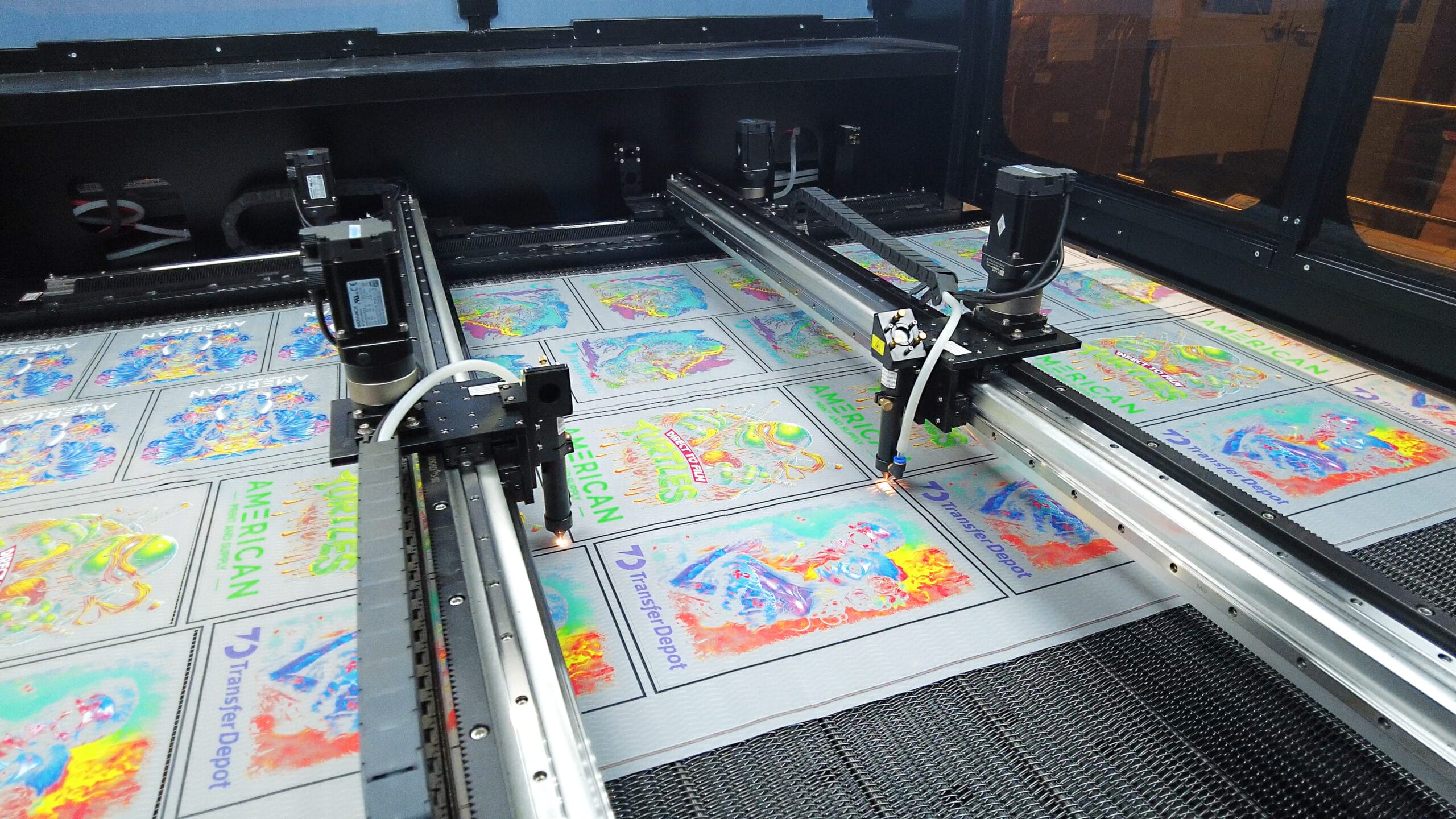
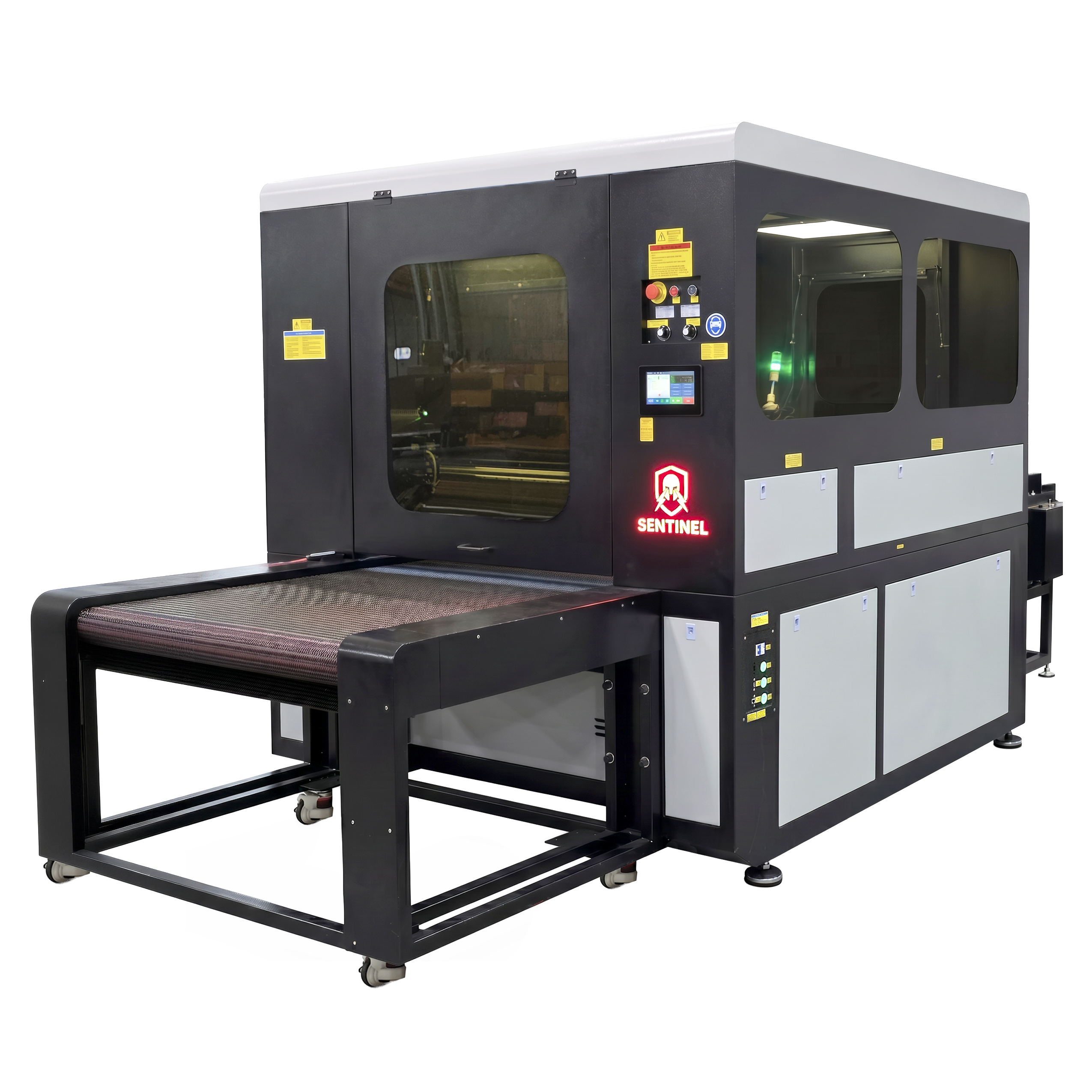
If your machine prints 650 square feet an hour, a team of employees with scissors will never keep up. Cutting has traditionally been the overlooked frontier in DTF production. To solve this, you need to introduce automation. Vision-based laser cutters, like The Sentinel, are built specifically to eliminate this bottleneck. The Sentinel scans printed rolls in real time and maps cut paths automatically without requiring complex DXF or CAD files. Integrating automated cutting with gang sheet builders like Gangify allows your operators to simply feed the roll and let the machine work. This continuous end-to-end loop maximizes efficiency and heavily reduces labor costs.
Commercial printing equipment is an investment. Buying raw machinery from a supplier who disappears after the sale leaves you vulnerable to costly downtime. You need a complete ecosystem that works out of the box.
The software that translates your art to the printer is just as important as the hardware. Reliable RIP software, such as Digital Factory Direct to Film Edition (V11 or V12) or NeoStampa, provides vital tools for your daily workflow. These programs offer precise color management, automated nesting to save film, and accurate ink cost calculations. Ensure your equipment provider configures this software for your specific machines prior to installation.
You should not have to build and configure a commercial printing system on your own. Prioritize suppliers who offer complete turnkey packages. At American Print & Supply, we focus on white-glove service. This means your equipment is installed on-site by professionals, and your team receives multi-day, hands-on training. Understanding how to perform routine maintenance, swap a wiper blade, or manage the capping station keeps your machines running for years. A proper supplier acts as a partner, ensuring you are ready to produce with confidence from day one.
Even the best equipment will fail if you run cheap materials through it. Substandard ink causes clogged printheads, and low-quality film results in peeling issues on the heat press. When choosing your equipment, also look at the supply chain of the provider. You need reliable access to premium consumables like expanded gamut bulk inks, high-grade adhesive powders, and reliable transfer films. Using advanced materials, such as Super Peel Double Sided Film with instant peel coatings, speeds up your pressing time and ensures a higher quality finished garment.
Choosing DTF equipment for textile printing comes down to matching hardware to your actual production volume, planning for growth, and securing reliable workflow support. By focusing on smart automation, robust printhead technology, and proper post-print tools, you can reclaim your time, protect your profit margins, and scale your business efficiently.