Menu
Close
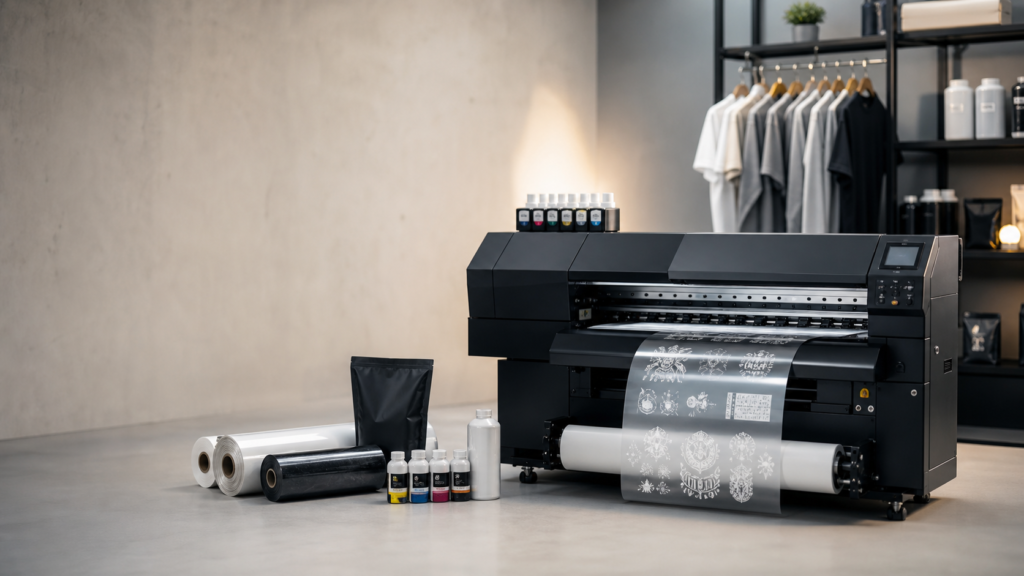
Direct-to-film (DTF) printing has completely changed how decorators produce custom apparel. It offers vibrant colors, fine details, and the ability to apply designs to almost any fabric without pre-treatment. However, printing the design onto the film is only the first step of the process. For the ink to successfully adhere to a garment, it needs a layer of hot-melt adhesive powder applied while the ink is still wet, followed by a curing process to melt that powder into an even layer.
For shops just starting out, this powdering process is often done by hand. Operators cut the film, drop it into a plastic bin filled with powder, physically shake the bin to coat the ink, flick the film to remove the excess, and manually place it under a heat press or small oven to cure. While this works for one-off jobs, it quickly becomes a massive bottleneck as your order volume grows. If you want to scale your apparel business efficiently, understanding the advantages of integrating an automatic powder shaker with a DTF printer is essential.
Think of manual powdering like baking cookies one at a time. It works perfectly fine for a small batch, but if you have a wholesale order for thousands of pieces, you need a conveyor system. A printer can only produce gang sheets as fast as you can process them. If your operator is stuck shaking powder onto individual cut sheets, your printer will sit idle waiting for them to catch up.
When an operator applies adhesive powder by hand, the results rely entirely on human effort. Sometimes the powder goes on too thick, resulting in a stiff, heavy feeling on the shirt. Other times, it goes on too thin or misses the edges of a design entirely, leading to transfers that peel off in the wash. Manual shaking also makes it difficult to knock off all the excess powder, which can leave a cloudy residue on the edges of your graphics once pressed.
Manual processing requires an operator to give their full attention to powdering and curing. That is time they could spend loading garments, pressing shirts, or managing new orders. Additionally, manual powdering is messy. Spilled powder ends up on the floor, on your clothes, and in the air. Every ounce of spilled adhesive is wasted money that eats directly into your profit margins.
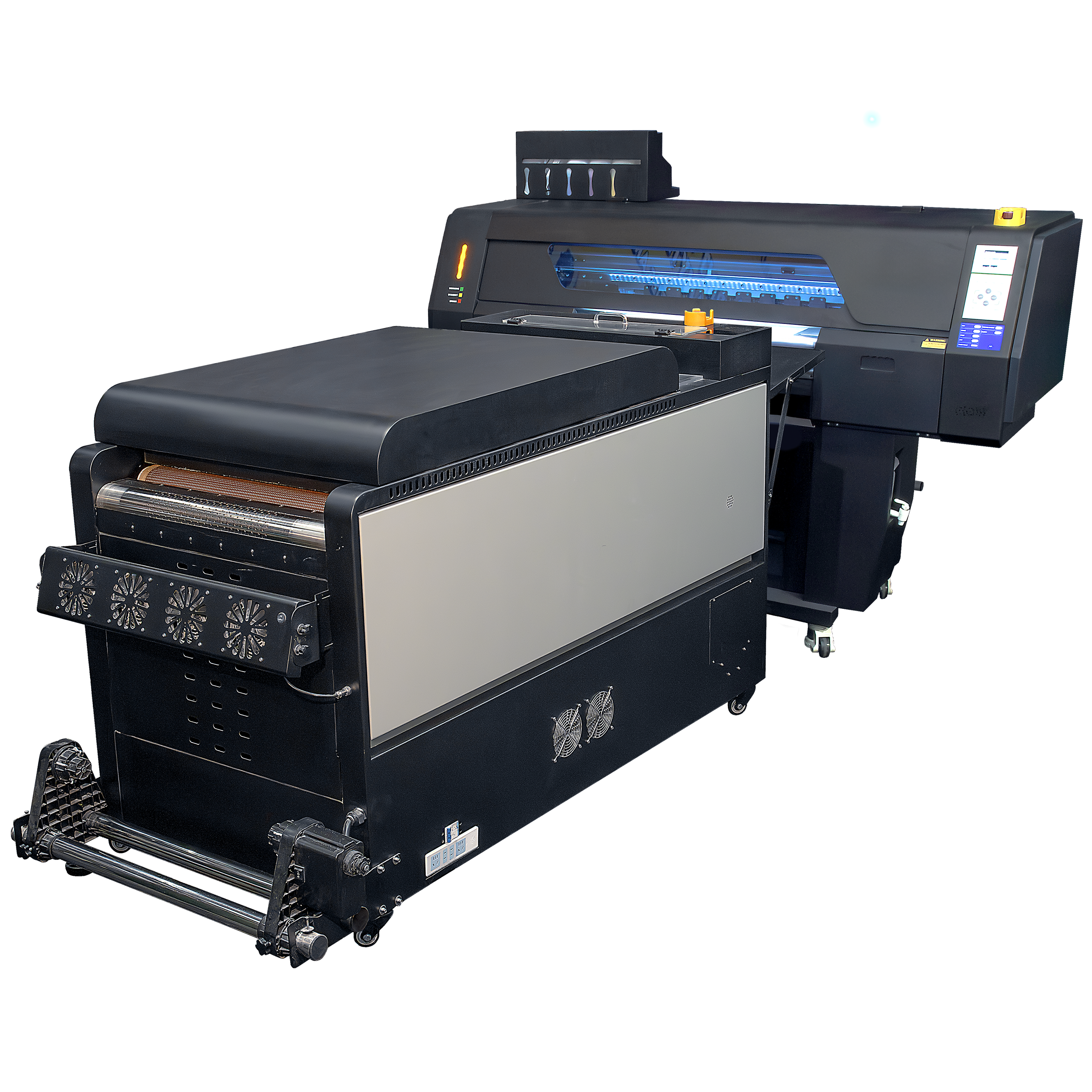
An automatic powder shaker, often referred to as a duster, connects directly to your roll-to-roll DTF printer. As the printed film exits the printer, it feeds automatically into the shaker. The machine coats the wet ink with powder, shakes off the excess, cures the adhesive in a heating tunnel, and rolls the finished transfers onto a take-up reel. This creates a true end-to-end production loop.
The most immediate benefit of an automatic shaker is continuous production. Operators can load a roll of film, start the print job, and walk away. The machine handles the entire application and curing process. For high-volume machines like the American Print & Supply Kraken, which outputs over 650 square feet an hour, a manual workflow is simply impossible. You must have a commercial-grade smart duster to match that speed. By removing the manual labor from this step, your staff can focus on fulfilling orders and running the heat presses.
Automatic shakers use motorized augers and powder volume switches to drop a consistent, controlled curtain of DTF premium adhesive powder over the printed film. After coating, an adjustable beater bar taps the back of the film at a high speed. This knocks off every grain of excess powder from the unprinted areas while ensuring a perfectly even, dense layer remains on the wet ink. The result is a transfer with a soft, consistent hand feel and excellent wash durability, every single time.
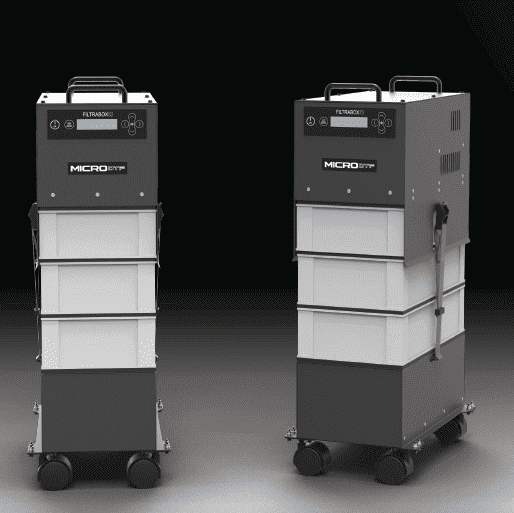
DTF adhesive powder is exceptionally fine, and manual shaking easily sends it airborne. This creates a dusty environment that can settle on printer components and affect air quality. Modern smart dusters feature enclosed powdering zones to keep the dust contained. When paired with proper industrial filtration—like a 250W fume extractor or a Filtrabox micro DTF extraction system—an automated setup safely captures the fumes generated during the curing process, keeping your shop clean and your operators comfortable.
Upgrading your workflow does more than just increase your daily output; it actively lowers your cost per print. By controlling the exact amount of material used and reducing the labor required to produce each gang sheet, an automatic shaker pays for itself over time.
When you use a manual tub, the powder eventually clumps with dust and moisture, forcing you to throw it away. Automatic shakers are designed with recycling systems. The excess powder knocked off by the beater bar falls into a lower collection tray. Many smart dusters feature a continuous feed system or an accessible catch tray, allowing you to easily reuse the clean powder for the next run. This maximizes the lifespan of your bulk adhesive powder and minimizes waste.
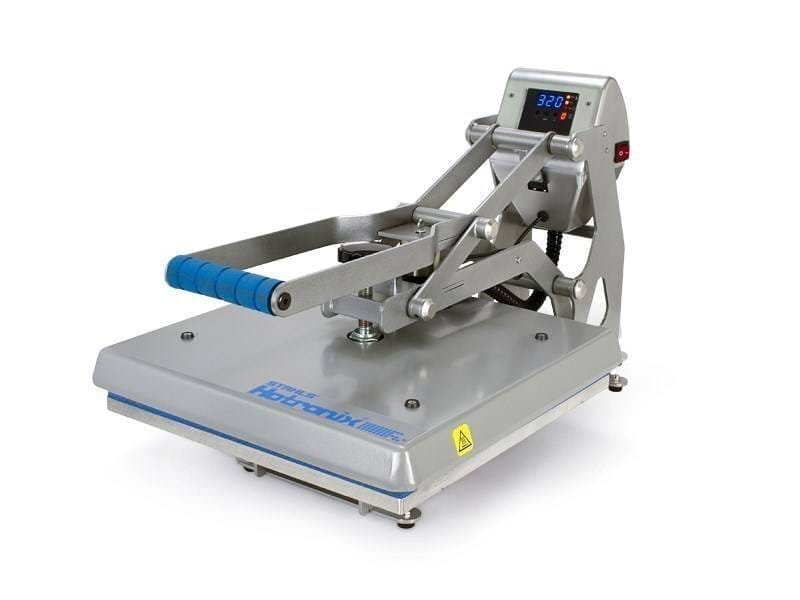
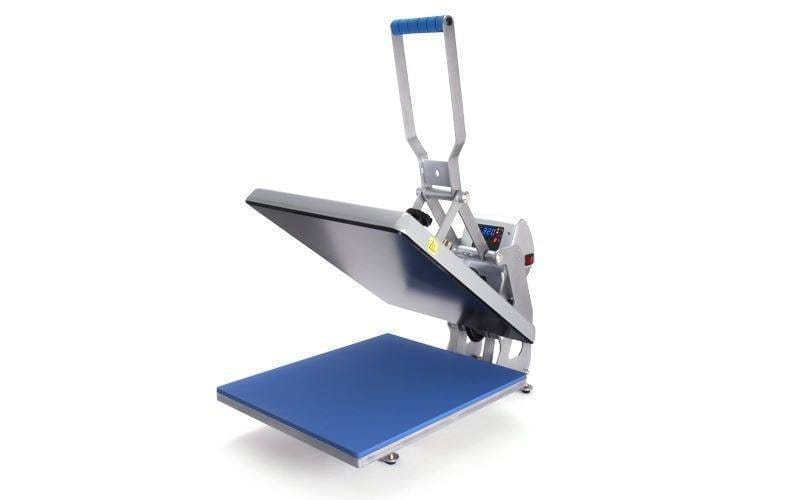
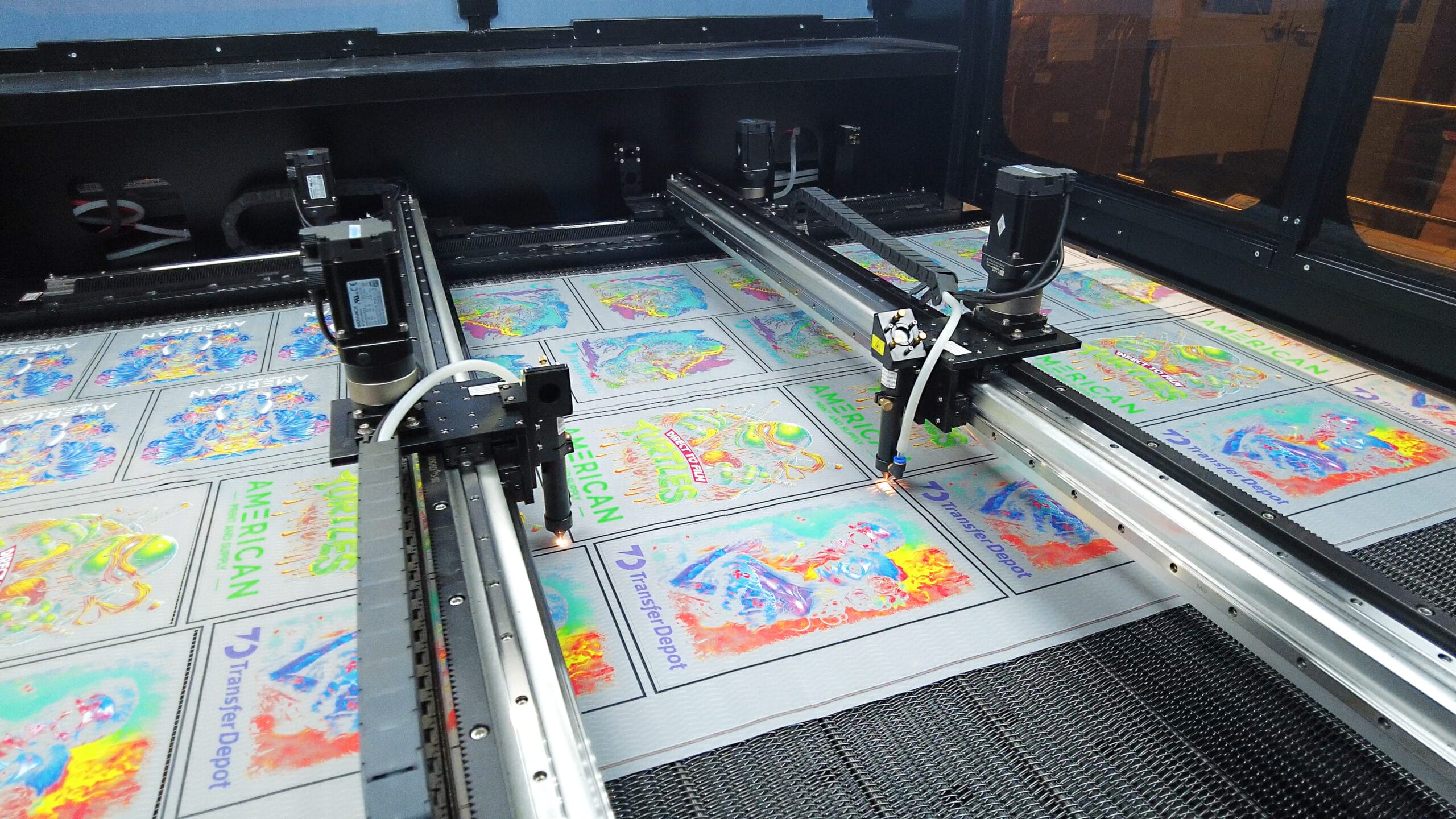
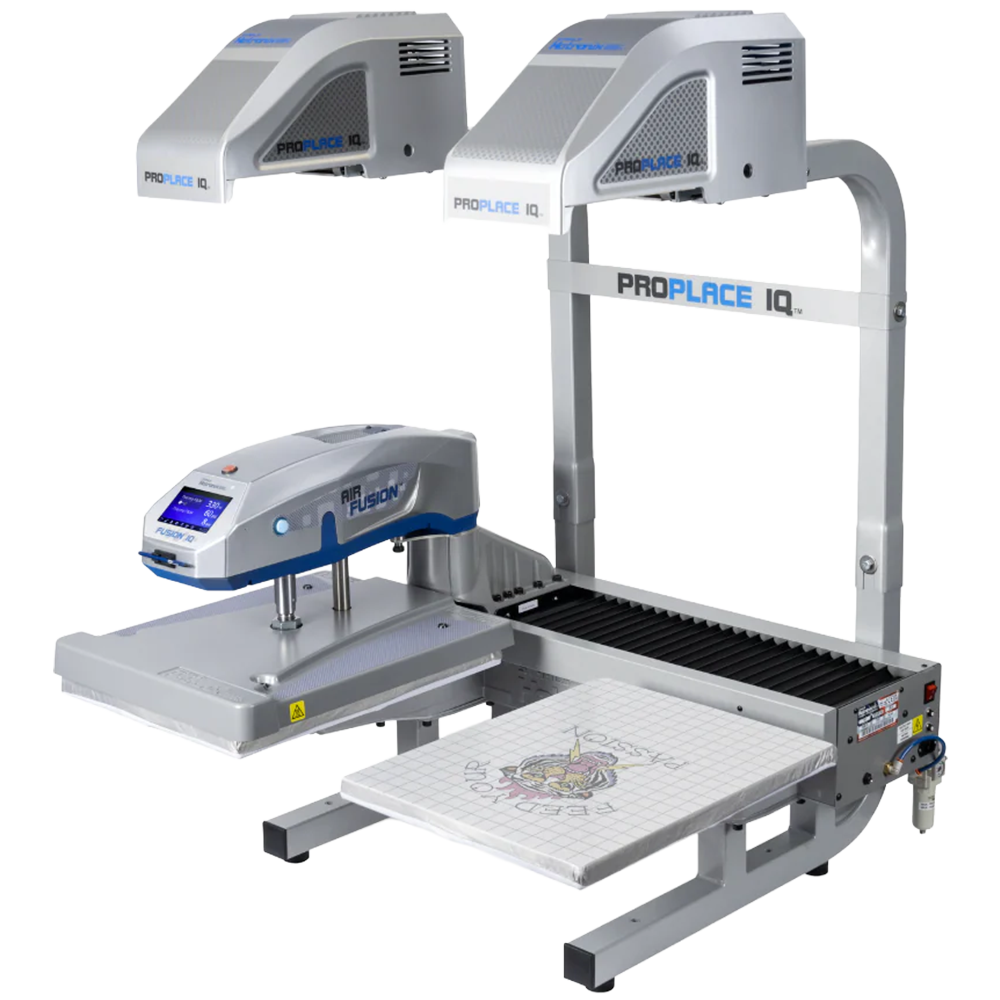
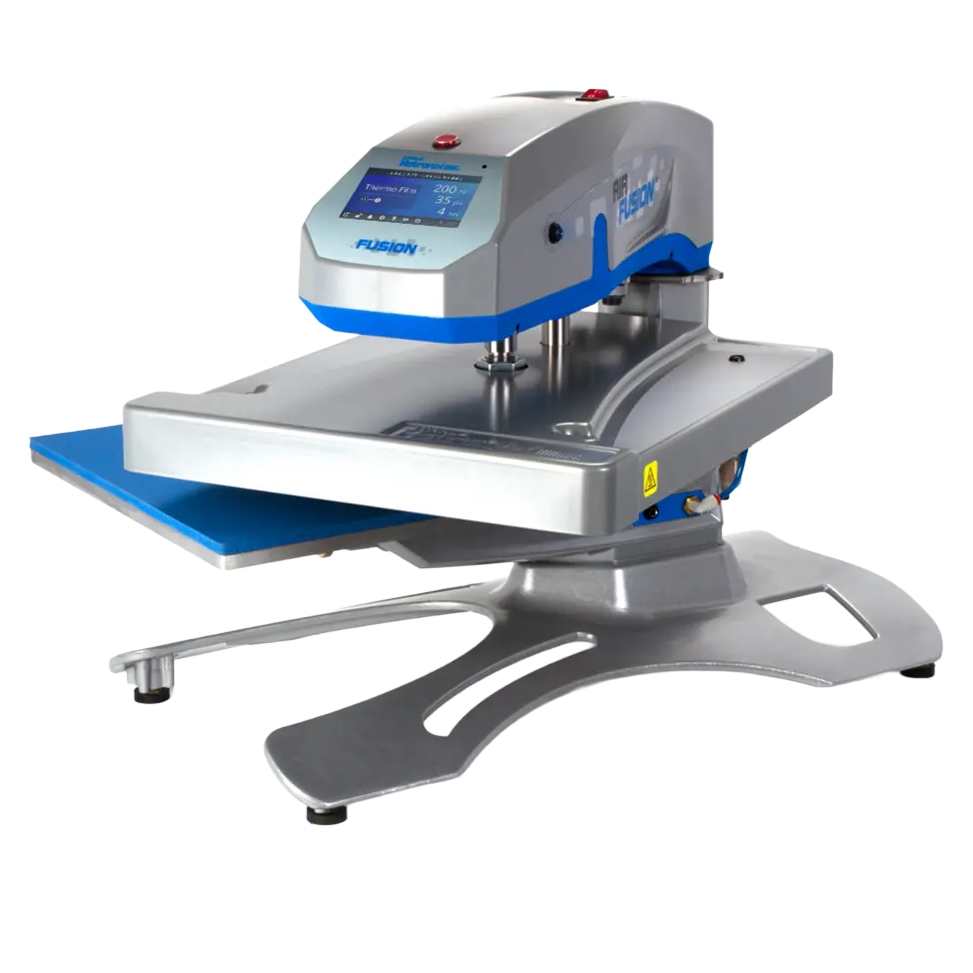
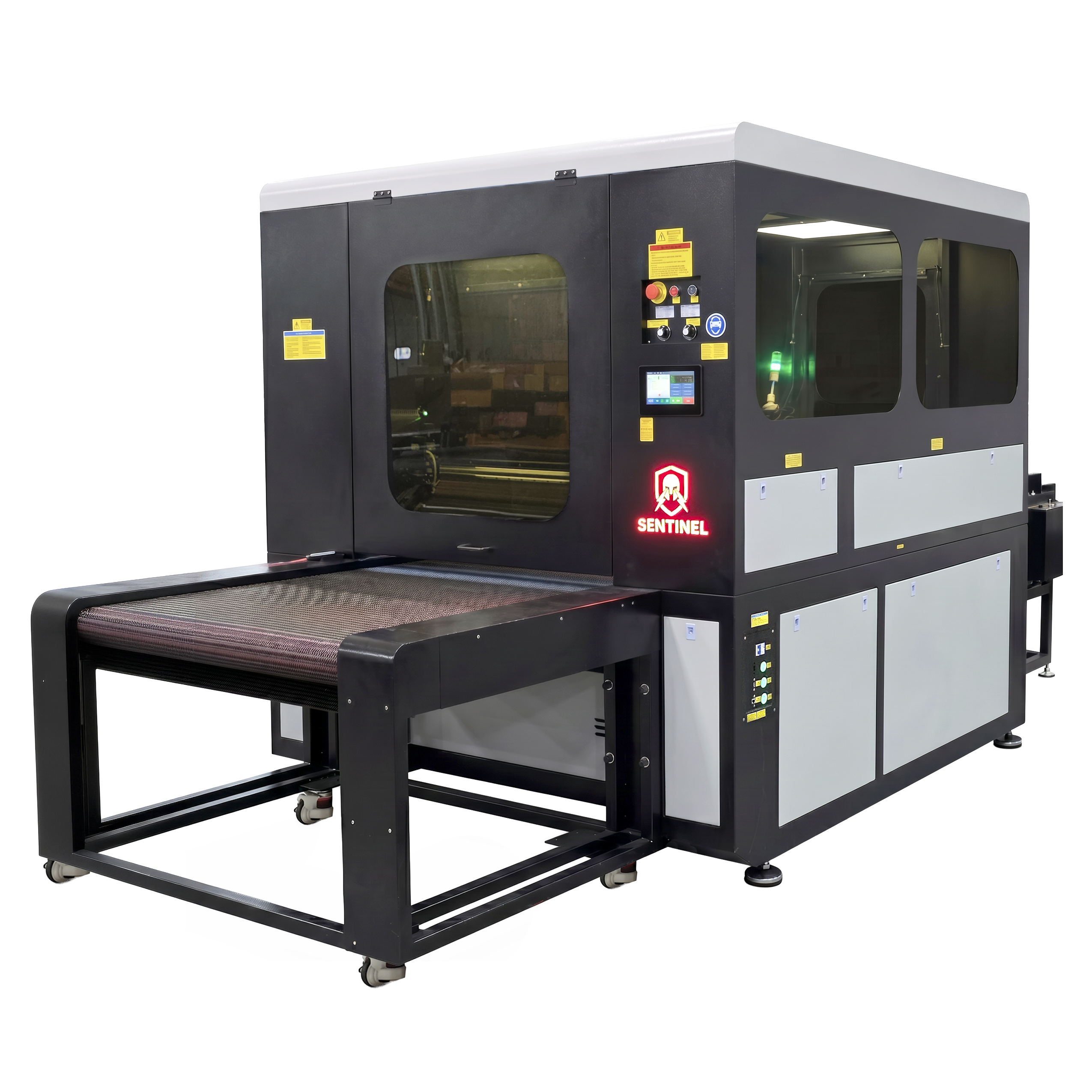
Labor is typically the highest expense in any print shop. If you are paying an employee to stand in front of an oven and shake film all day, you are not maximizing their value. By automating the curing stage, that same employee can operate a dual air fusion heat press, run the Sentinel automated vision cutter to separate the gang sheets, or package finished garments. You effectively double your shop’s productivity without hiring additional staff.
Not all automatic powder shakers are created equal. Just like choosing the right printer ink or the right heat press, you need to select a duster that aligns with your specific production needs. The size and speed of your printer will dictate the type of shaker required.
A duster must process film at the exact speed your printer outputs it. If you run a compact 2-head printer like the Artemis, a standard smart duster with a single heating zone provides plenty of curing time. However, if you are running industrial systems like the 4-head Hydra or the 8-head Kraken, the film moves incredibly fast. To prevent wet powder from rolling onto the take-up reel, you need an extended duster. These larger units feature dual oven designs and longer mesh heat belts, allowing the high-speed film to stay in the heating zone long enough to properly melt the adhesive.
When evaluating automatic shakers, look for intelligent features that make daily operation easier. Auto-tensioning take-up reels ensure the film winds tightly without skewing. Vacuum belts help hold the film flat as it moves through the curing tunnel, preventing the edges from curling and striking the top heat tungsten wire bulbs. Additionally, integrated cooling fans at the exit of the oven are essential, as they bring the film back down to room temperature before it rolls up, preventing the transfers from sticking to themselves.
Building a successful print shop requires the right tools and the right workflow. Integrating an automatic powder shaker with your DTF printer removes the largest bottleneck in apparel decoration. It guarantees consistent quality, lowers your material costs, and frees up your operators to focus on growing the business. With the right equipment and a trusted white-glove support partner to help you set it up, you can scale your production with confidence.