Menu
Close
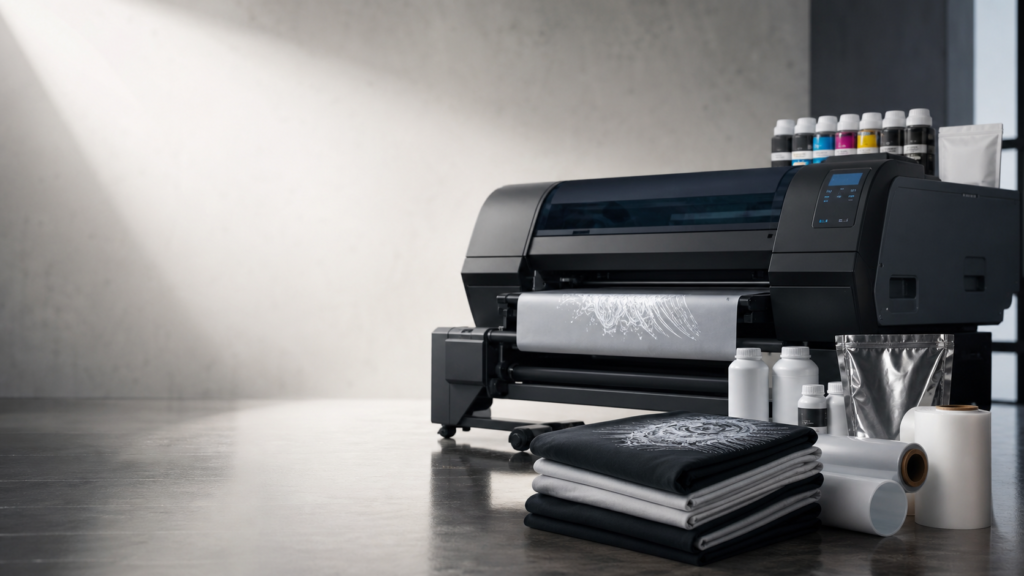
When it comes to apparel decoration, Direct to Film printing has quickly become the industry standard. The reason is simple: versatility. Unlike traditional screen printing or direct-to-garment methods, Direct to Film allows you to apply high-quality, full-color designs to almost any fabric. Whether you are pressing onto 100% cotton, moisture-wicking polyester, spandex blends, or heavy canvas jackets, the process remains consistent. You print on a film, apply an adhesive powder, cure it, and press it.
However, achieving professional, retail-ready results across all these different fabrics requires more than just a basic setup. You need a reliable ecosystem of printers, consumables, finishing tools, and presses. If you want to scale your business and handle diverse orders without constantly changing your workflow, investing in the best DTF equipment for printing on various garment types is the logical next step. Here is a practical breakdown of the equipment you need to build a flawless production line.
The foundation of any successful print shop is the printer. To handle different garment types, your printer needs to lay down a consistent layer of white base and vibrant colors. The ink load is crucial. If the white layer is too thin, it will not show up well on dark fabrics. If it is too thick, the shirt will feel heavy and uncomfortable. Having a printer driven by professional software allows you to adjust your ink output based on the specific material you are decorating.
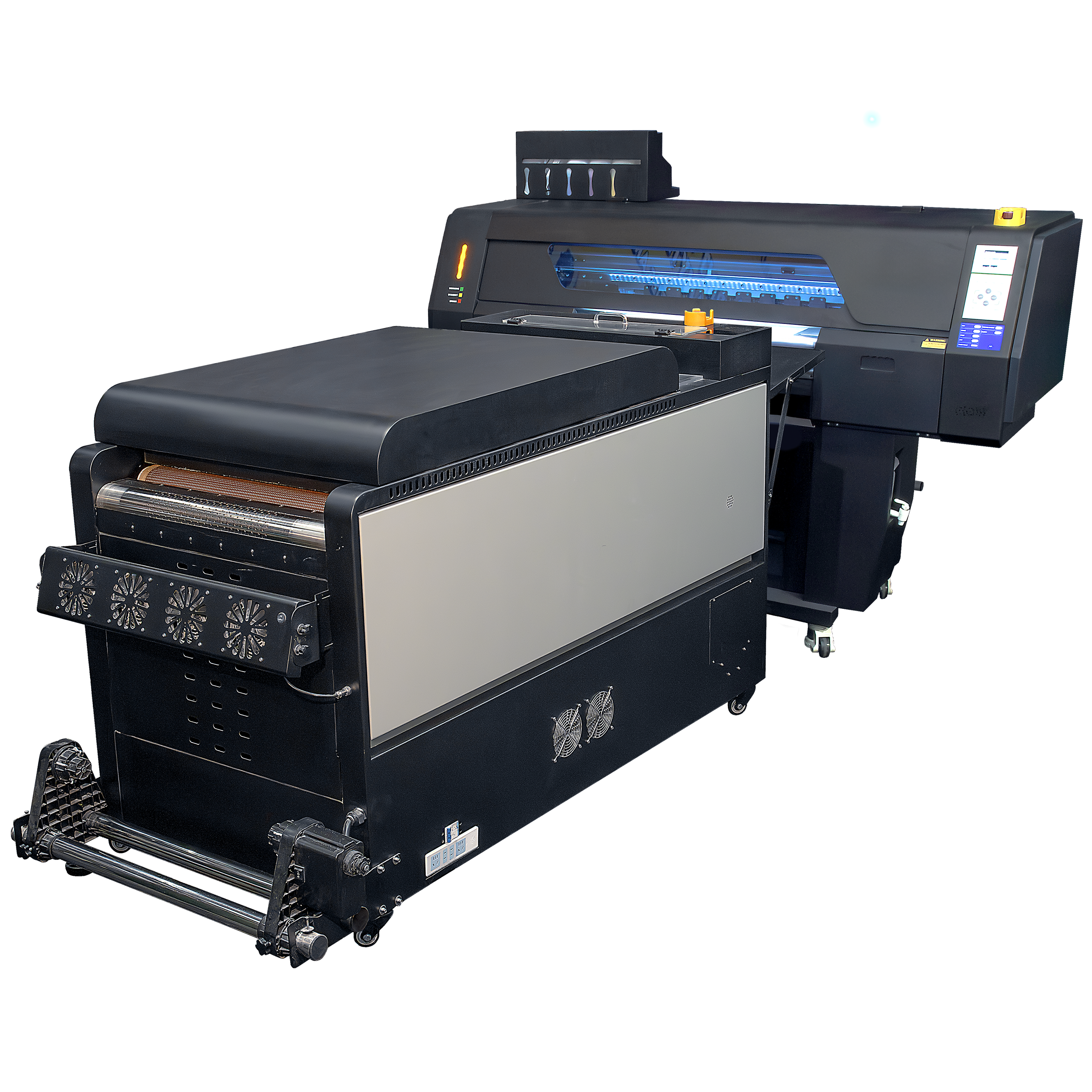
For operations dealing with high volumes and a wide variety of garments daily, you need serious throughput. The Kraken is built for this exact environment. Featuring eight Epson I3200 print heads and a dual rail magnetic drive system, it eliminates the belt drag found in older models. It outputs over 650 square feet per hour. When you are printing gang sheets that include graphics for heavy hoodies, delicate performance wear, and standard cotton tees all on the same roll, The Kraken maintains stability and precise color registration at high speeds.
Not every shop needs the massive volume of an eight-head machine. If you are scaling up from manual methods or smaller desktop printers, systems like The Hydra or the compact Artemis provide commercial-duty reliability in a smaller footprint. They utilize the same advanced print head technology and white ink circulation systems as the larger units, ensuring your ink stays perfectly mixed. This prevents clogs and guarantees a smooth, flexible print that stretches well on blended fabrics.
Think of your ink as the paint and your powder as the glue. If you want a design to stick to a difficult garment like a waterproof nylon windbreaker or a highly elastic sports jersey, you need the right combination of film, ink, and adhesive powder.
The film you use dictates how easily the design transfers to the garment. Using premium double-sided coating films, like Super Peel Film, ensures the ink sits perfectly on the surface without running. More importantly, it allows for instant hot or cold peeling. When you are pressing hundreds of different garments, not having to wait for the film to cool down saves massive amounts of production time. Pairing this film with a finely milled premium adhesive powder ensures the glue melts evenly, creating a bond that sinks into the fibers of both smooth polyesters and textured cottons.
Standard inks can crack when stretched on spandex or rib-knit garments. Utilizing expanded gamut premium bulk inks ensures high elasticity and wash fastness. Because Direct to Film ink is a specialized pigment-based formulation, it is designed to cure into a thin, flexible layer. When applied correctly with the right software profiles, these inks produce a soft hand feel that moves naturally with the garment, rather than sitting on top of it like a rigid plastic patch.
Printing the film is only the first step. To ensure the transfer adheres properly to various garments, the adhesive powder must be applied and melted correctly. If the powder is under-cured, it will not stick to difficult fabrics. If it is over-cured, the adhesive degrades.
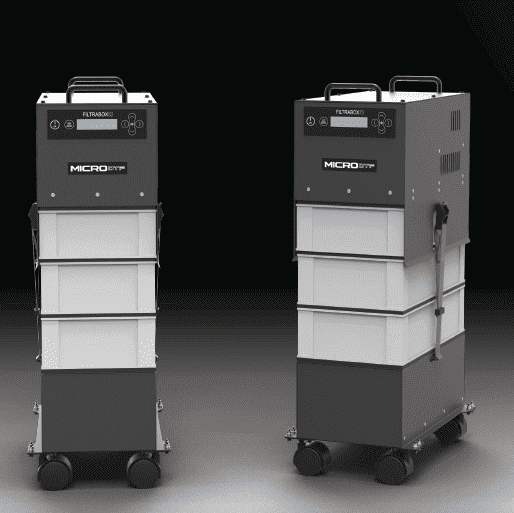
A smart duster system automates the powder application and curing process. Units equipped with extended dual ovens match the fast speeds of commercial printers, ensuring every inch of the film receives consistent heat. Integrated sensors control the belt speed and powder distribution, which means you get a perfectly cured roll of transfers every time. A well-cured transfer is easy to store and applies effortlessly to any apparel type.
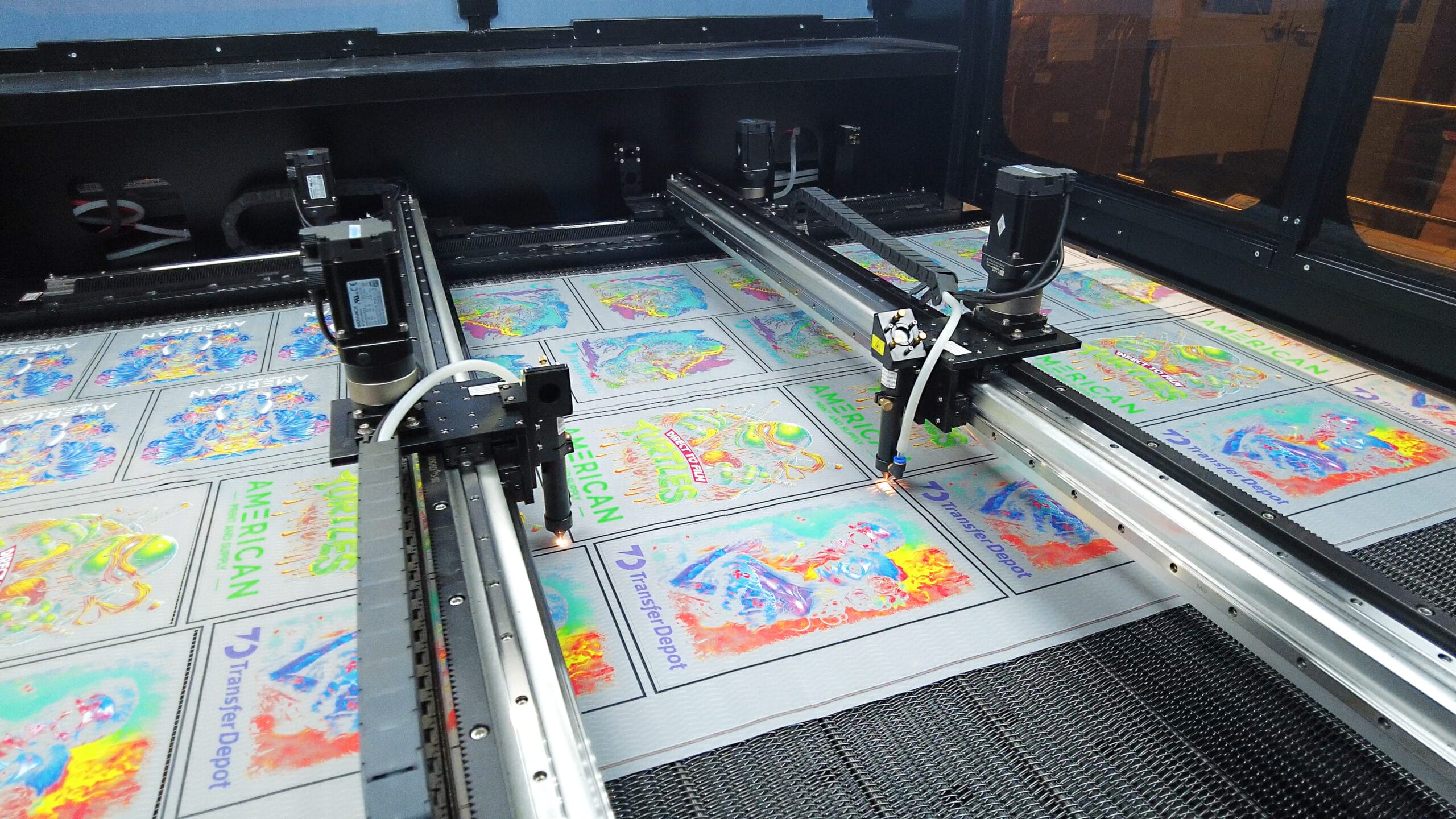
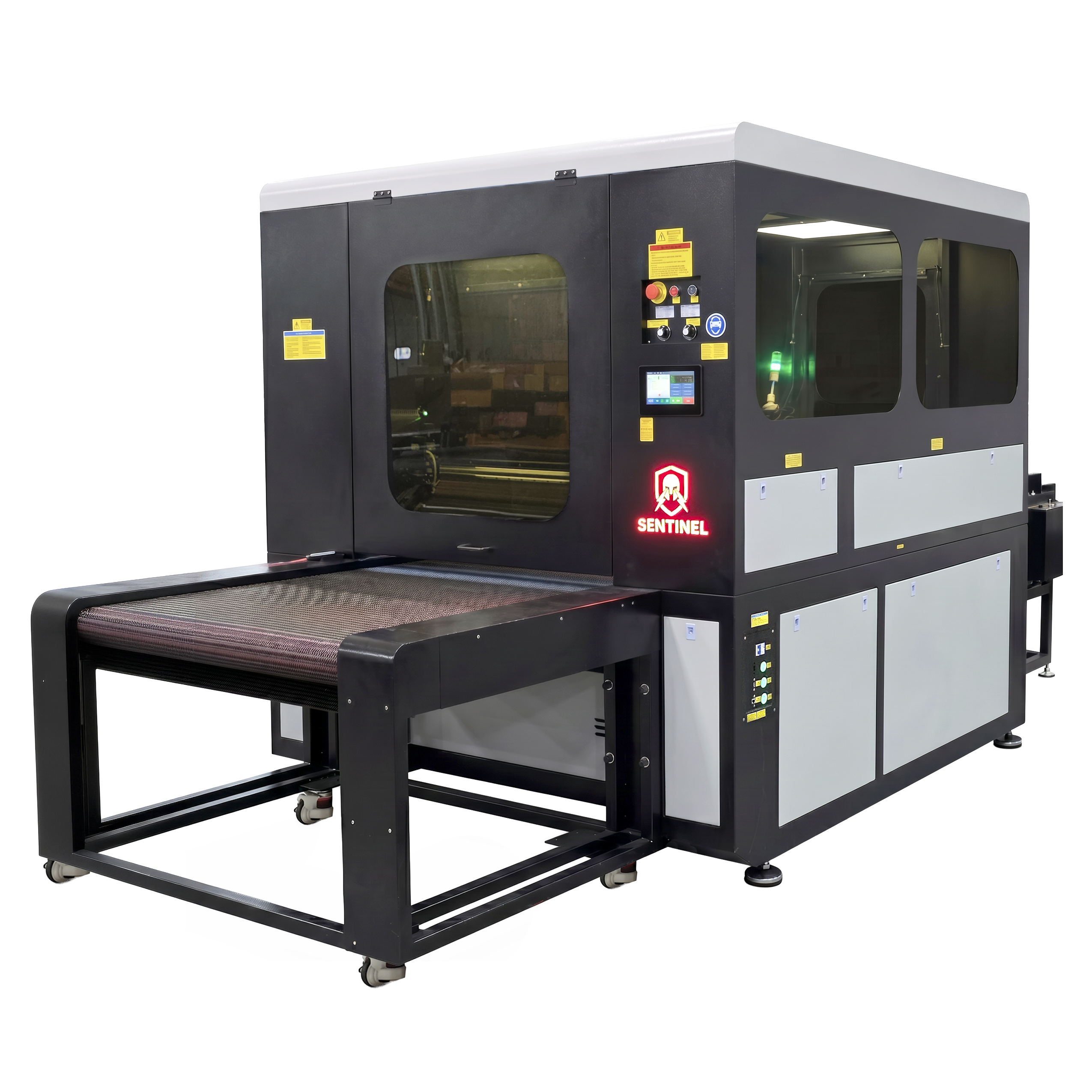
Once your transfers are printed and cured, they need to be cut. Cutting gang sheets with scissors is a massive bottleneck in the production line. The Sentinel is an automated, vision-based laser cutting system designed to eliminate this problem. Using an overhead camera, it scans the printed rolls and maps the cut paths automatically. With dual servo-driven lasers, it cuts continuous rolls at high speeds. Whether you are cutting small chest logos for polo shirts or massive back graphics for jackets, automating this step allows your team to focus entirely on pressing garments.
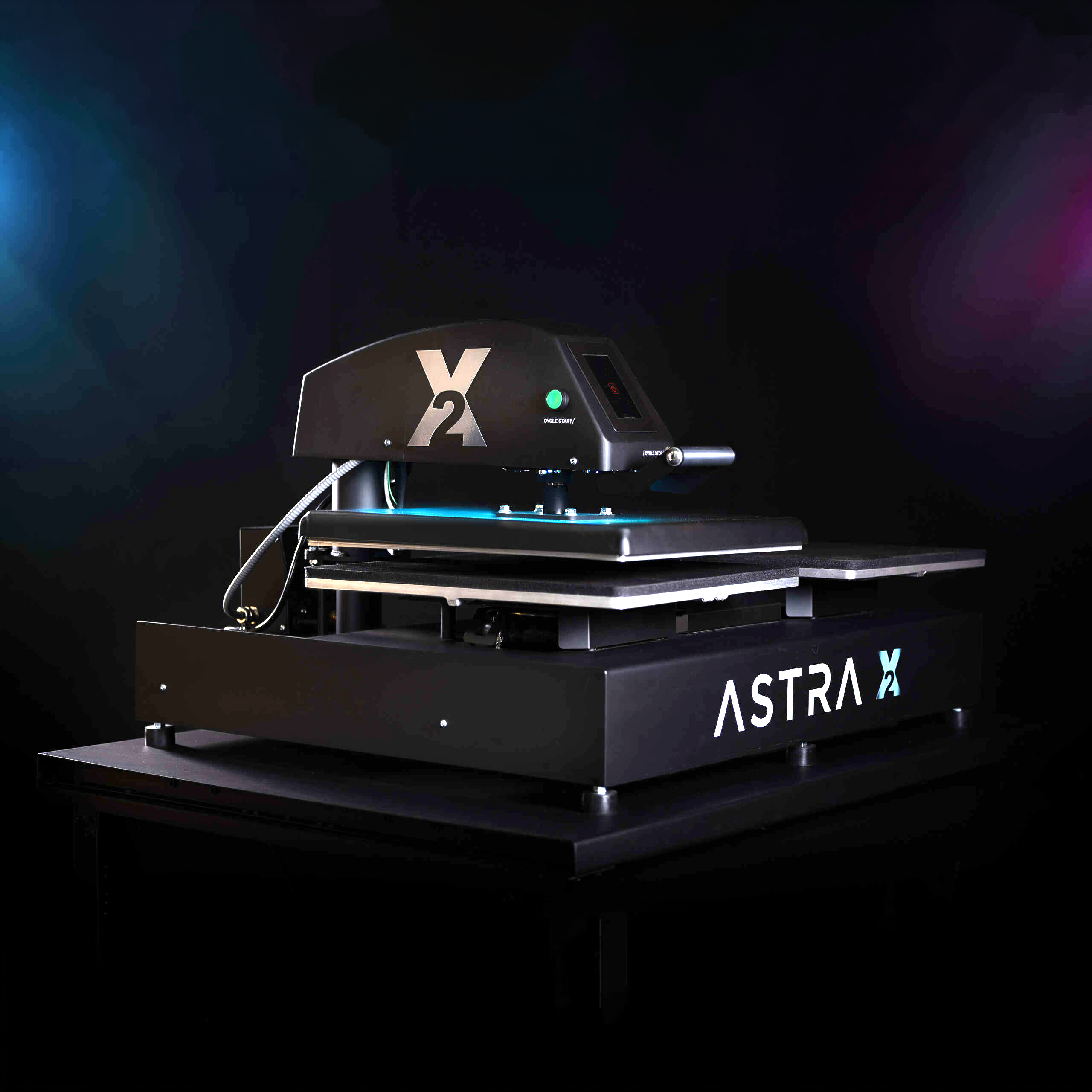
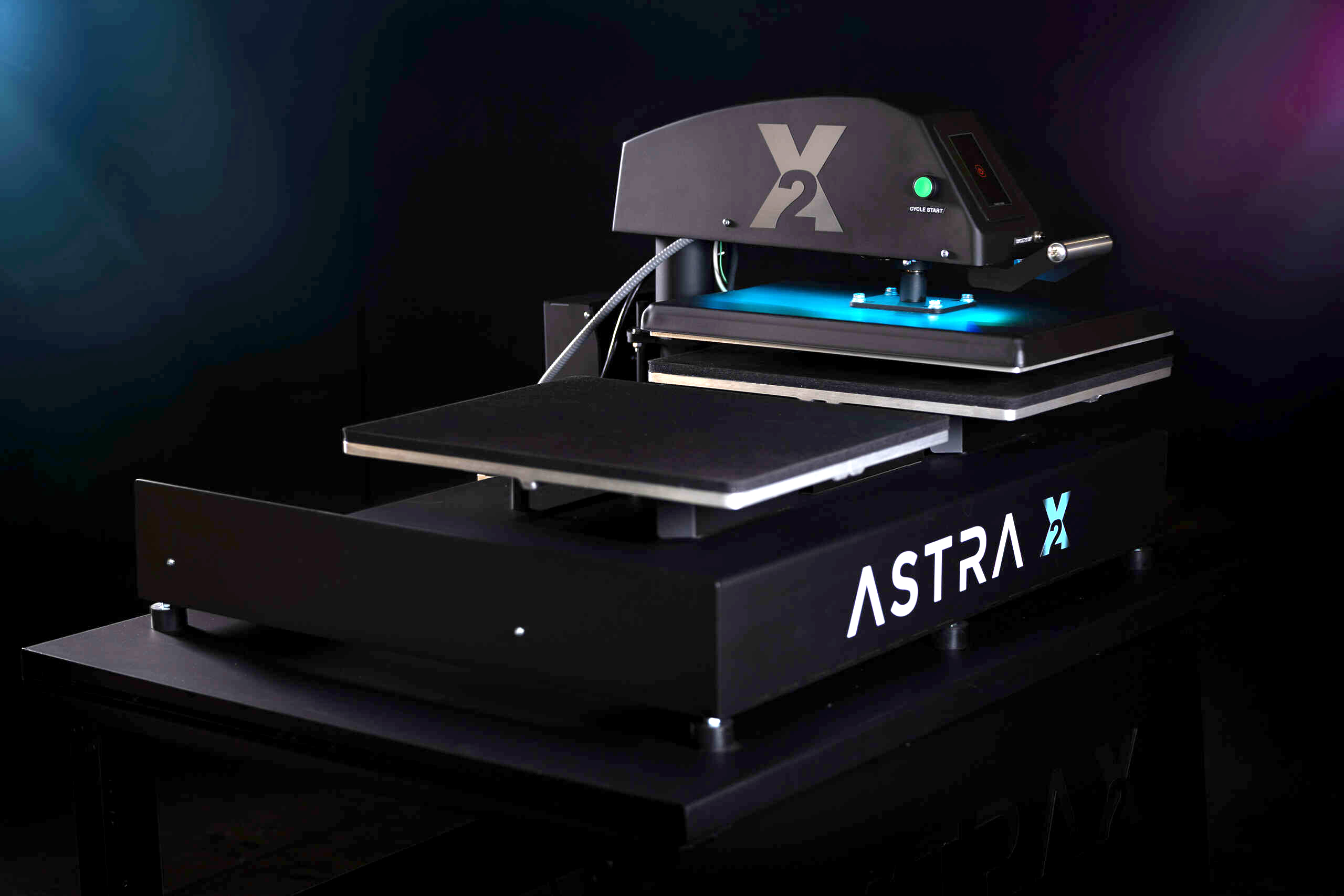
You can have the best printer and the best film, but if your heat press cannot maintain consistent temperature and pressure, your transfers will fail. Different fabrics require different application settings. A thick fleece pullover requires significantly more pressure to force the adhesive into the fibers than a thin, delicate tri-blend tee.
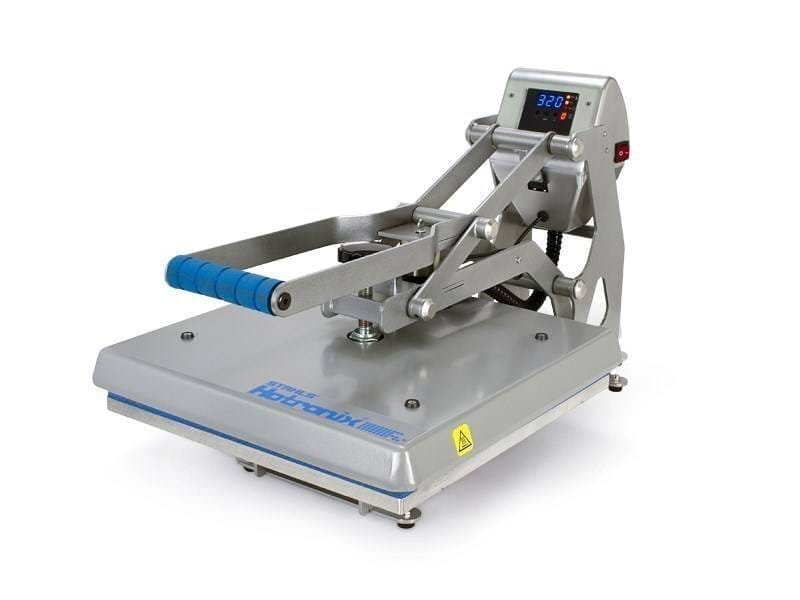
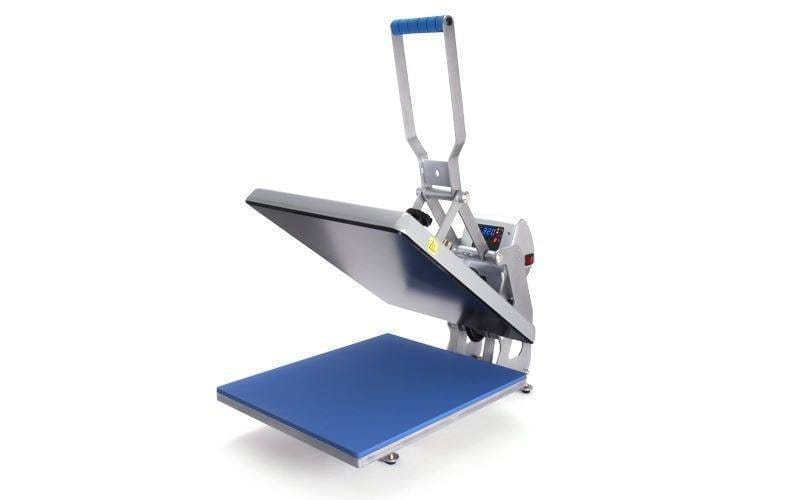
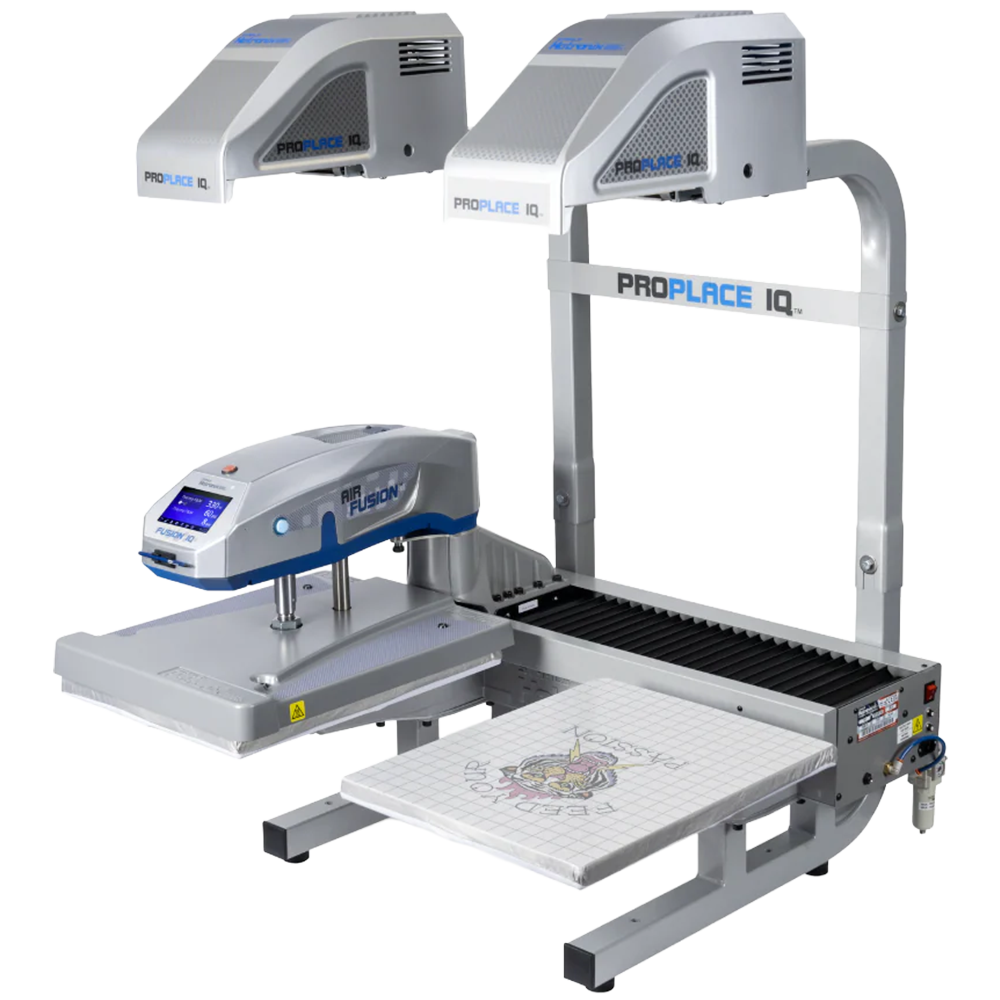
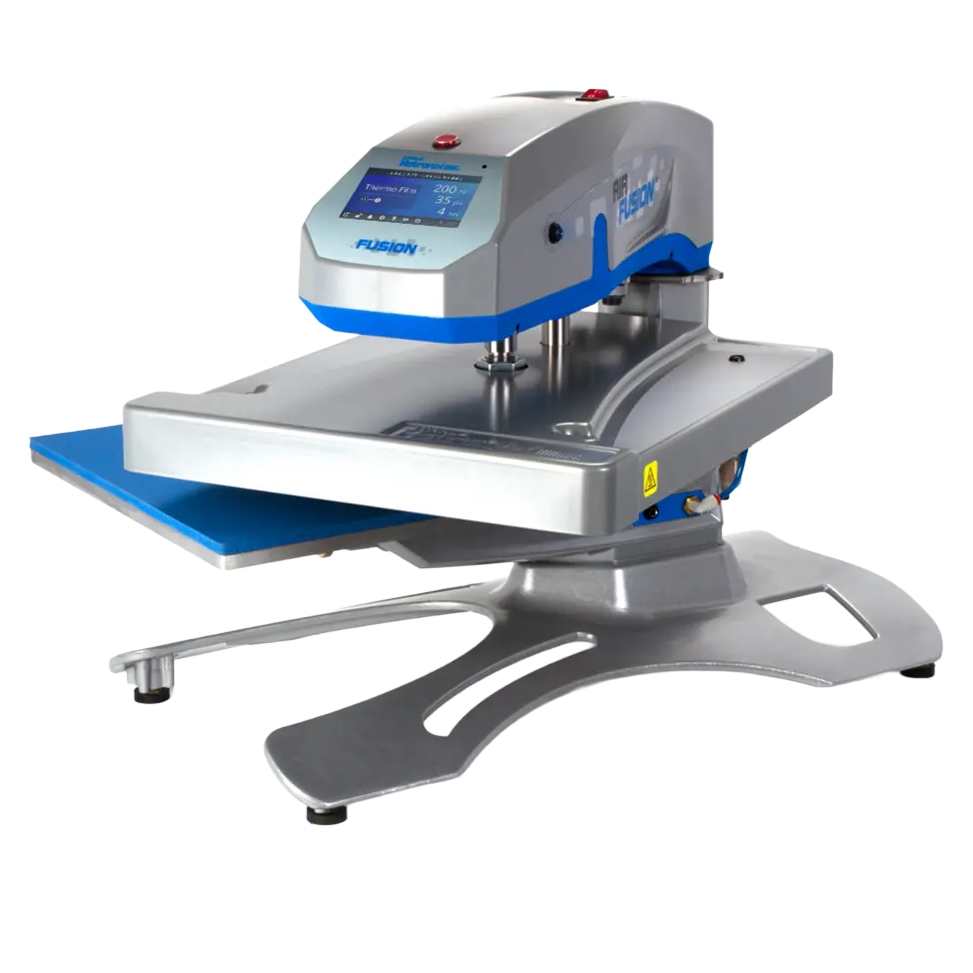
Investing in a high-quality heat press is essential for decorating various garment types. Machines like the Hotronix Fusion IQ or the Auto Open Clam series provide precise digital readouts for time, temperature, and pressure. When switching from a standard cotton t-shirt to a heat-sensitive polyester garment, you often need to lower the temperature to prevent scorching or dye migration. Having a reliable press that adjusts accurately ensures every transfer is applied flawlessly, regardless of the material.
Building a successful print shop is about eliminating friction. When you connect reliable printers, premium consumables, automated cutting systems, and accurate heat presses, you create a seamless production loop. Software ties this all together. Using a dedicated RIP program like Digital Factory Direct to Film Edition allows you to manage color profiles and ink loads for different fabric types before you even hit print.
At American Print and Supply, we understand that upgrading equipment can disrupt your daily operations. That is why we focus on white-glove support, installation, and training. We do not just ship you a printer in a crate; our professionals integrate the systems into your shop, train your operators, and ensure your workflow is optimized for whatever garments your customers demand. With the right tools and the right support, scaling your decoration business becomes a straightforward, manageable process.