Menu
Close
Running a successful print shop requires more than just high-quality equipment; it requires a clear understanding of your numbers. Whether you are fulfilling small custom apparel orders or running high-volume gang sheet production for wholesale clients, setting the right retail or wholesale price starts with knowing exactly what it costs to produce each graphic. If you do not calculate the average cost per transfer for DTF printing accurately, you risk eating into your profit margins or pricing yourself out of a competitive market.
Direct to film printing is incredibly efficient, but because the process relies on a combination of liquid inks, specialized films, and adhesive powders, the math looks different than traditional screen printing or dye sublimation. Let us break down the exact variables, the simple formulas you need to use, and the hidden operational expenses that impact your true bottom line.
To accurately calculate your expenses, you must first look at the three primary materials consumed during the printing process. Each of these components has its own yield, and buying habits will significantly shift these numbers in your favor.
Ink is usually the most variable cost because every design requires a different amount of color and white base. In DTF printing, white ink is your largest expense. It acts as the foundational layer that allows the colored ink to show up vibrantly on dark garments and provides the surface for the adhesive powder to stick.
On average, white ink makes up about 60 to 70 percent of your total ink usage per print. High-end RIP software, like Digital Factory Direct to Film Edition or NeoStampa, helps optimize this by adjusting the white underbase choke and limiting ink output where it is not physically needed. Depending on your bulk ink pricing, a densely colored graphic typically costs between $0.10 and $0.15 in total ink per square foot.
Your transfer film is the physical canvas for your prints. Film is priced by the roll, making it one of the easiest costs to track. To find your film cost per square foot, you simply calculate the total square footage of the roll and divide the total price by that number.
For example, if you purchase a standard 24-inch by 328-foot roll of Super Peel Double Sided Cold Peel Film, you have 656 square feet of printable area. If that roll costs $120, your film cost is roughly $0.18 per square foot. Wasted space on the film means wasted money, which is why utilizing software like Gangify to pack your graphics tightly is essential for driving down the material cost per transfer.
Adhesive powder binds your printed design to the fabric during the heat press stage. Measuring powder consumption can feel tricky because your smart duster recycles the excess powder back into the system. However, a general industry benchmark is that one pound of premium adhesive powder will cover roughly 100 to 125 square feet of heavily inked designs.
If you purchase a 20lb or 44lb box of premium adhesive powder, your cost per square foot drops significantly compared to buying small 2lb bags. In a highly optimized workflow, powder costs average out to about $0.02 to $0.04 per square foot.
Now that we have identified the core materials, we can run the actual numbers. To keep the math straightforward, we will use a standard adult chest graphic that measures roughly 11 by 11 inches, which is just under one square foot.
Total Material Cost = (Ink Cost per sq ft) + (Film Cost per sq ft) + (Powder Cost per sq ft)
Adding these variables together gives you a base material cost of $0.33 per square foot. Therefore, a standard 11×11 inch chest transfer costs roughly 33 cents to produce. Even if you print a heavily saturated, massive 14×16 inch back graphic, your consumable material cost will generally stay comfortably under $0.60 per print.
Material costs are only one part of the equation. A true cost analysis must include the time, labor, and maintenance required to keep your print shop running smoothly.
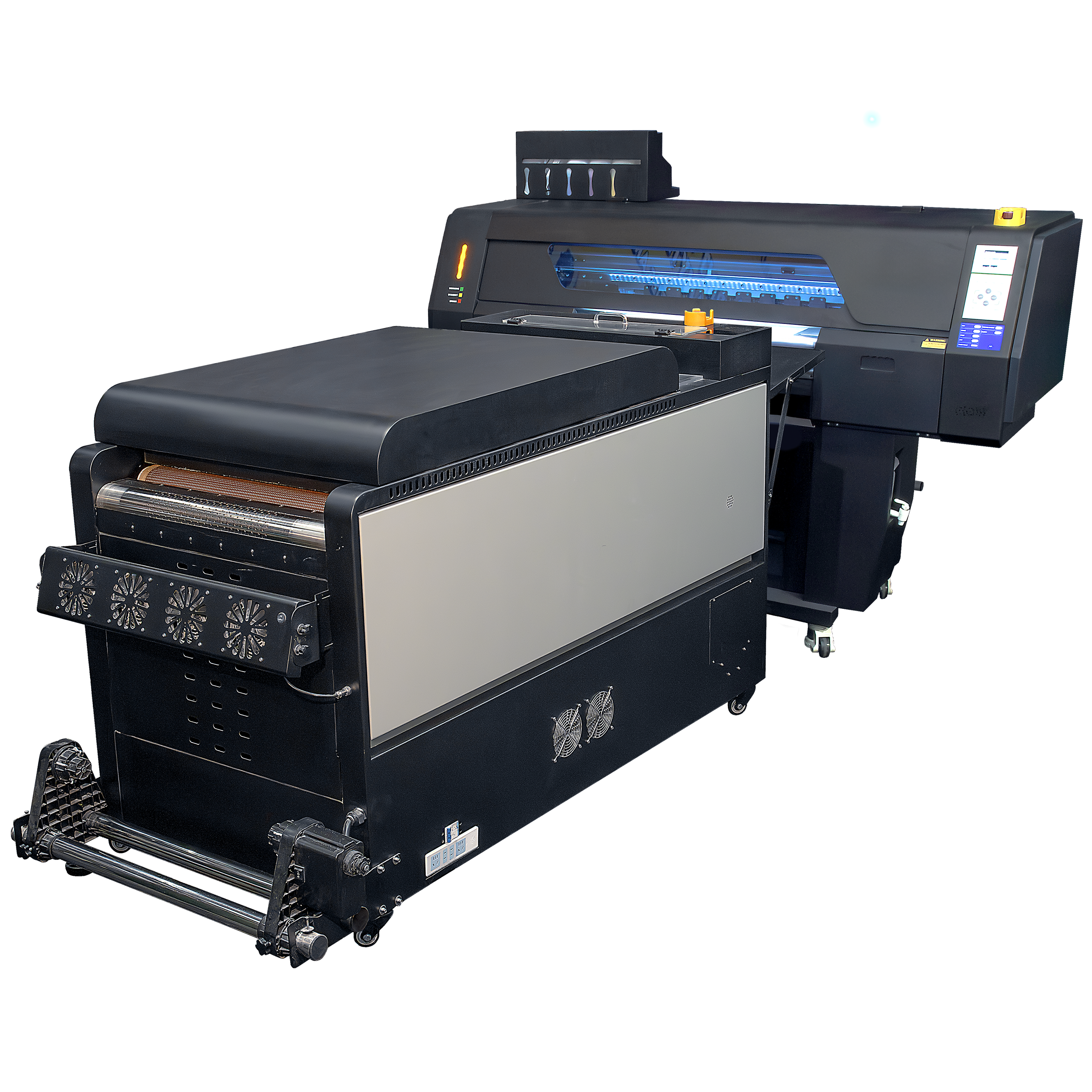
Time is your most expensive asset. If your operator spends eight hours babysitting a slow, entry-level printer to produce a small batch of transfers, your labor cost per transfer will be incredibly high. Commercial-grade equipment changes the math entirely. The Kraken, featuring 8 Epson I3200 print heads, can output over 650 square feet an hour. At that speed, your labor cost per transfer drops to fractions of a penny because the operator can manage multiple machines or handle other shop duties while the printer works.
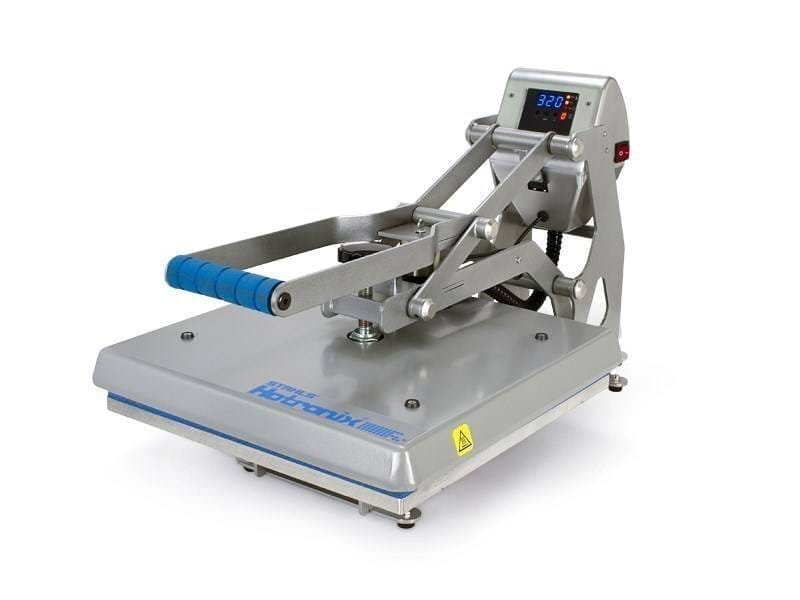
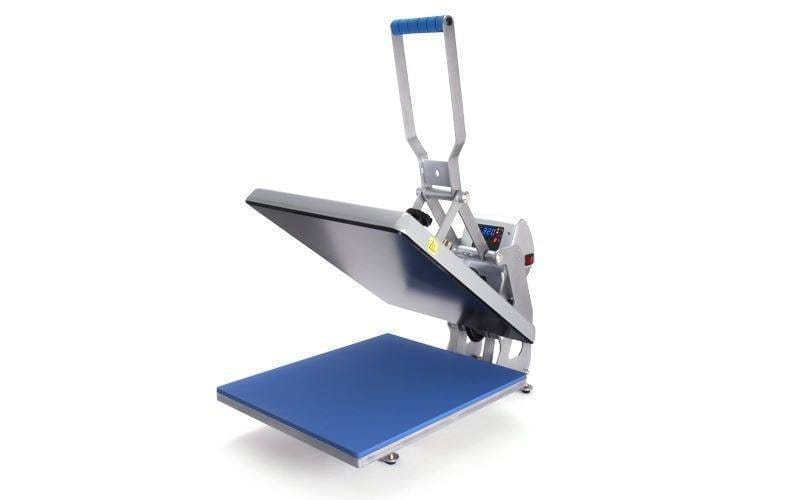
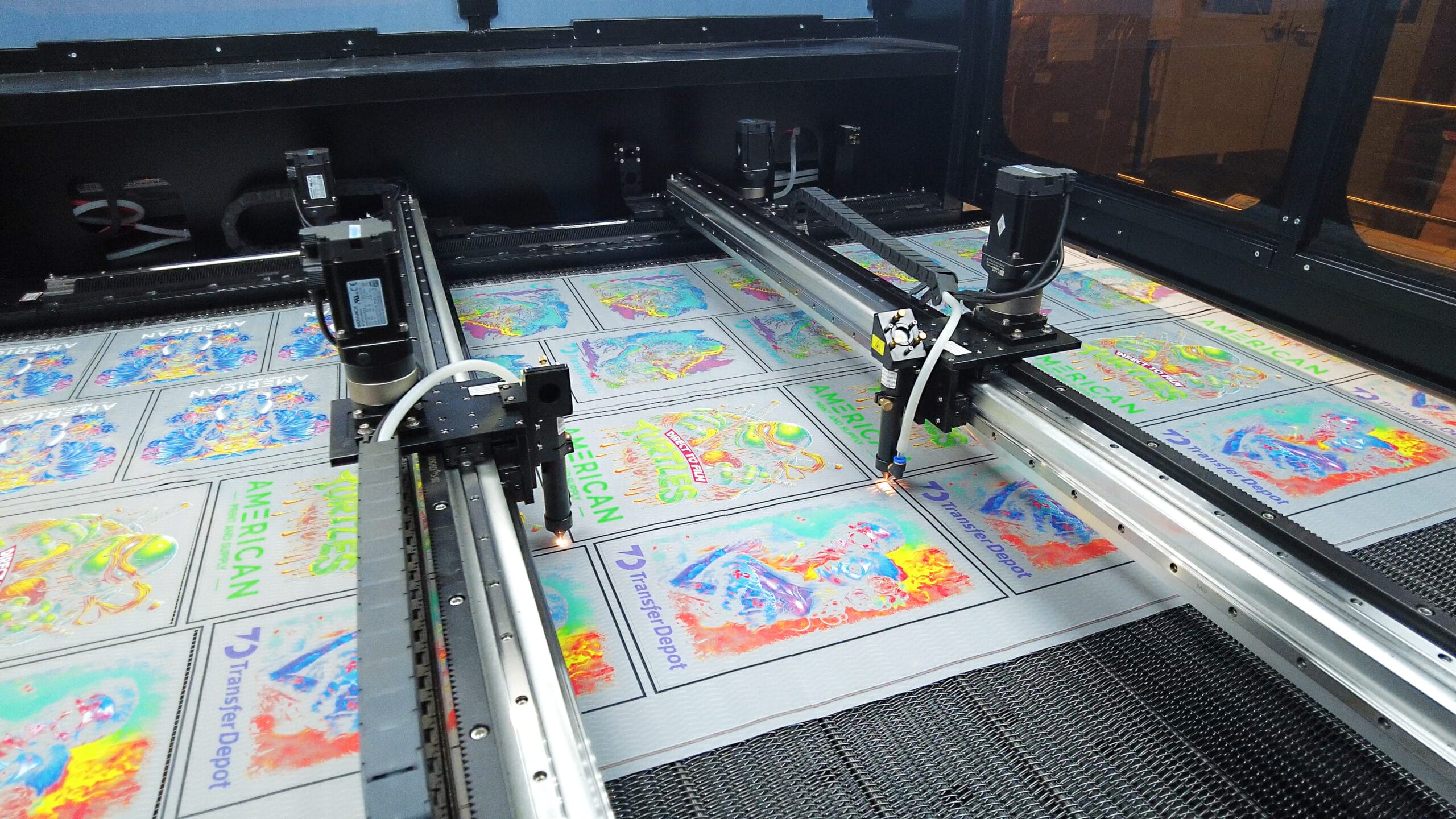
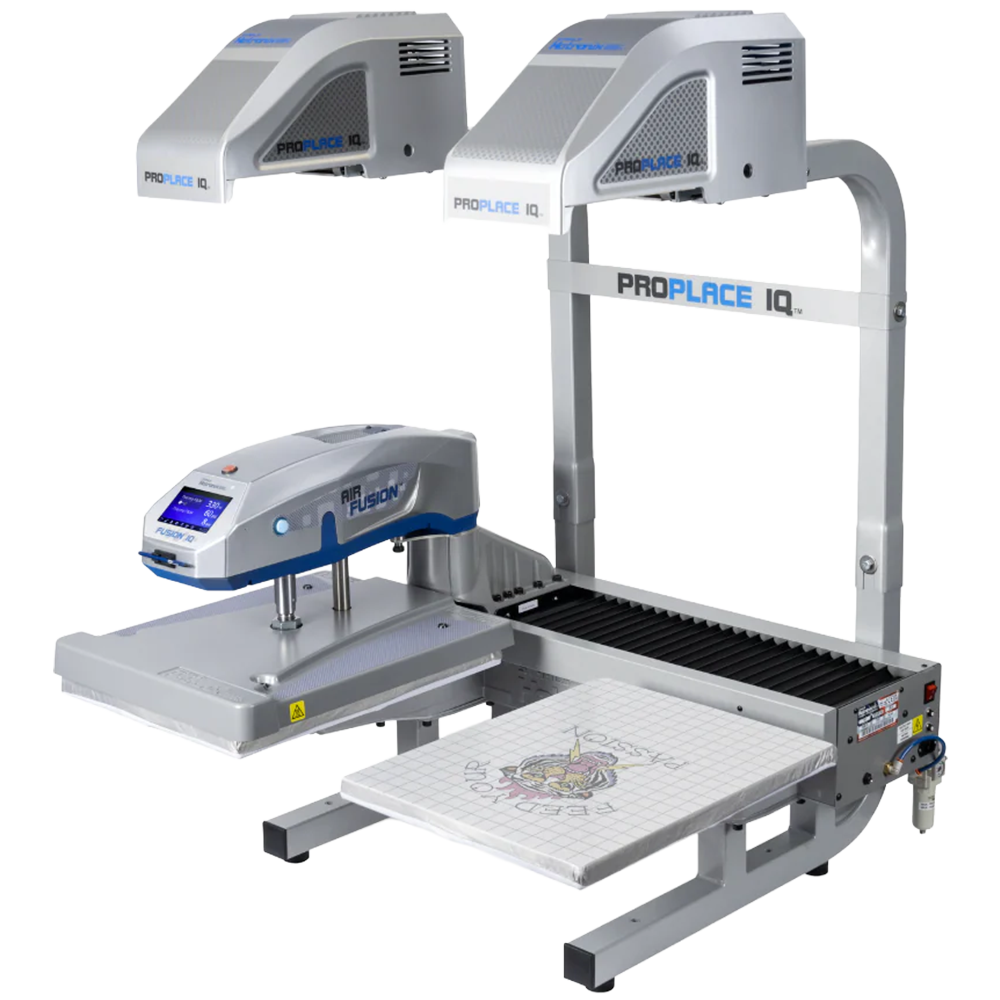
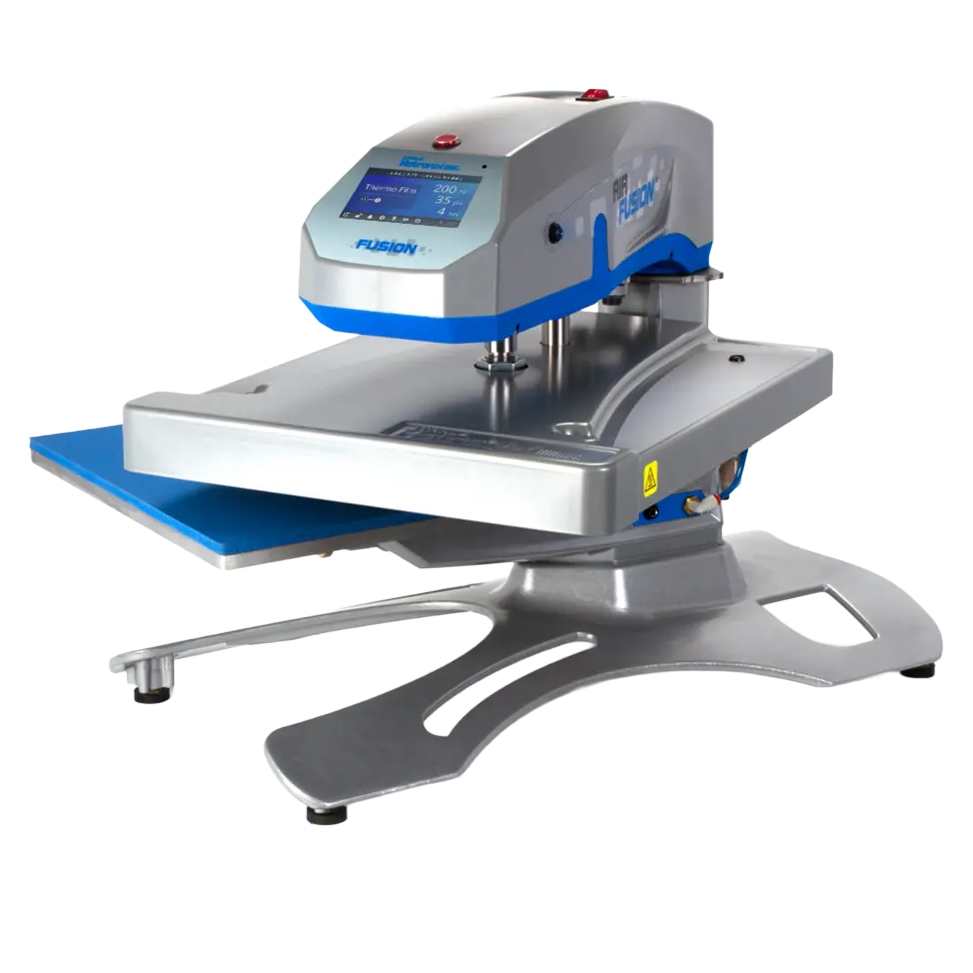
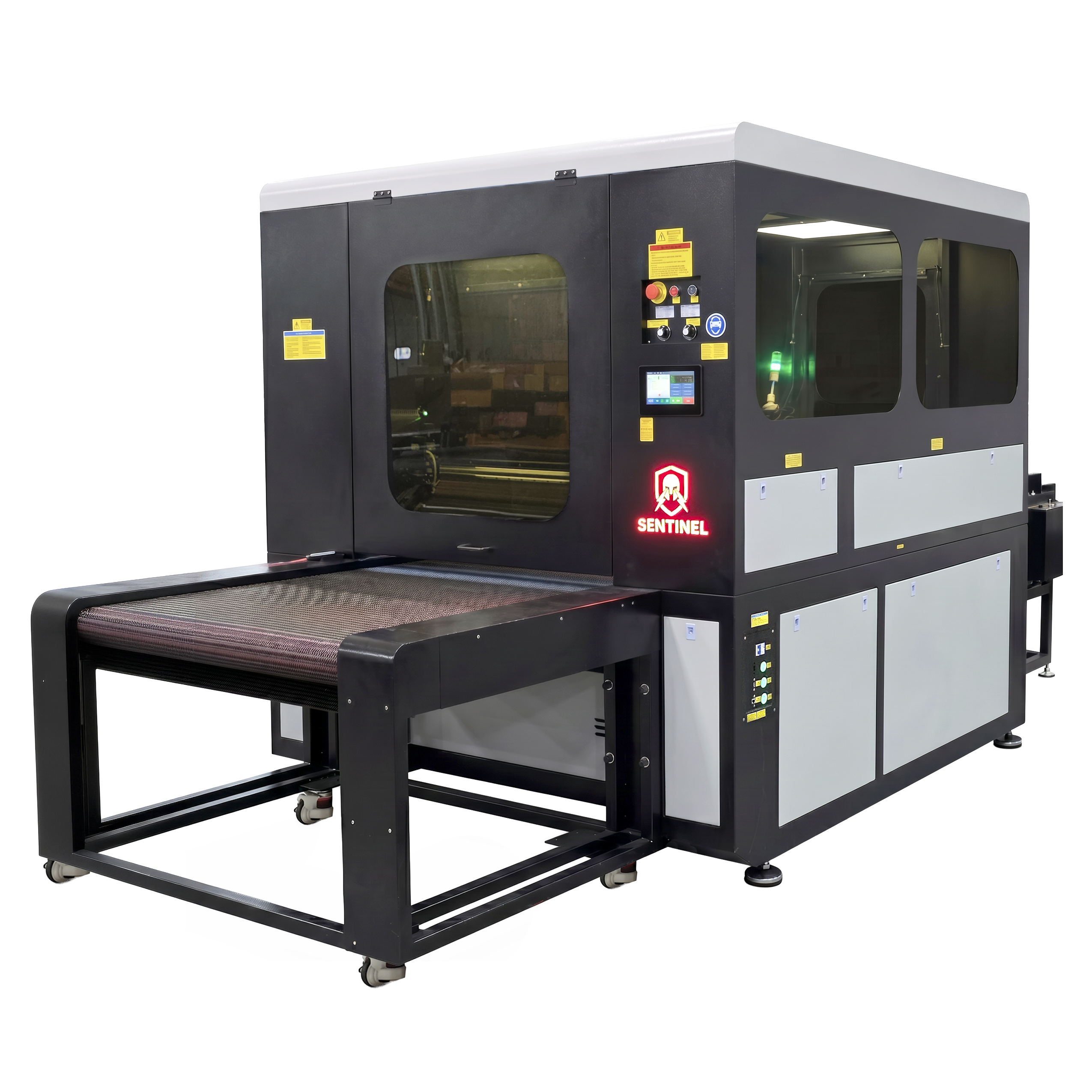
Printing the gang sheet is only half the battle. Cutting those transfers apart manually with scissors is a massive labor bottleneck. If your team spends hours manually separating transfers, your true cost per transfer spikes. This is exactly why American Print & Supply built The Sentinel, a vision-based laser cutter designed specifically for DTF rolls. By scanning and cutting automatically, you eliminate the manual labor of trimming. When paired with an efficient Hotronix Auto Open or Fusion IQ heat press, your end-to-end production loop maximizes efficiency and lowers labor costs.
Consumables like wiper blades, capping stations, inline ink filters, and cleaning solutions are necessary for daily operation. While these items only add a fraction of a cent to your individual transfer cost, equipment downtime can cost you thousands of dollars in missed orders. Investing in robust machines and partnering with a supplier that offers white-glove workflow support ensures your production stays online, protecting your profit margins from unexpected delays and hardware failures.
Once you know how to calculate the average cost per transfer for DTF printing, the next logical step is finding ways to reduce it without sacrificing print quality or wash durability.
Every inch of unprinted film is money thrown away. Train your team or use automated software to nest designs as tightly as possible. Instead of leaving large gaps between logos, rotate and stagger your graphics to maximize the printable width of your 24-inch or 48-inch rolls. Furthermore, utilizing ICC profiling modules and proper color management tools ensures your printer only drops the exact amount of ink needed to achieve vibrant colors, preventing heavy, expensive ink pooling.
Consumable pricing heavily favors scale. Upgrading from 1-liter ink bottles to larger bulk supplies, and transitioning from small powder bags to 44lb containers, instantly lowers your material cost. Sourcing expanded gamut bulk inks and premium adhesive powders tailored for high-volume shops will keep your printers running profitably.
DTF printers require specific humidity and temperature levels to operate efficiently. If your shop is too dry, printheads can clog, leading to wasted ink during excessive cleaning cycles and the need for products like PrintheadRevive. If the environment is too humid, powder can clump, leading to waste and poor adhesion. Maintaining a proper environment with wireless hydrometer monitors and climate control reduces material waste and extends the life of your print equipment.
Understanding your costs gives you the freedom to scale securely. When you know that an adult chest graphic costs you roughly 33 cents to produce, you can confidently set your retail apparel prices, negotiate wholesale gang sheet rates, and forecast your monthly material needs.
As your volume grows, the goal is to eliminate bottlenecks at every stage. Upgrading to high-speed dual or quad-head printers like The Hydra, utilizing advanced automated cutting systems like The Sentinel, and sourcing your materials from a reliable partner will keep your cost per transfer low and your output high. By tracking your metrics and leaning on American Print & Supply for premium consumables and white-glove support, you build a foundation designed for long-term growth.