Menu
Close
When you are building or scaling an apparel decoration business, choosing the right printing technology is your most important decision. Two of the most prominent methods in the industry today are Direct to Garment (DTG) and Direct to Film (DTF) printing. Both offer distinct advantages and present specific challenges depending on your production environment, the fabrics you use, and your volume requirements.
At American Print & Supply, we specialize in high-production printing systems and white-glove workflow support. We have seen firsthand how the right equipment can eliminate production bottlenecks. In this guide, we will examine the differences between DTF vs DTG printing, their pros and cons, and how to determine which system makes the most sense for your print shop.
Direct to Garment printing operates exactly as the name implies. The process uses a specialized inkjet printer to apply water-based aqueous inks directly onto the fabric of a shirt or garment. The garment absorbs the ink, and the design is then cured using a heat press or a conveyor dryer.
DTG has been a standard in the custom apparel industry for years, primarily because of the quality of the final product on specific garments.
While DTG produces a great product, the operational realities can create major bottlenecks for growing shops.
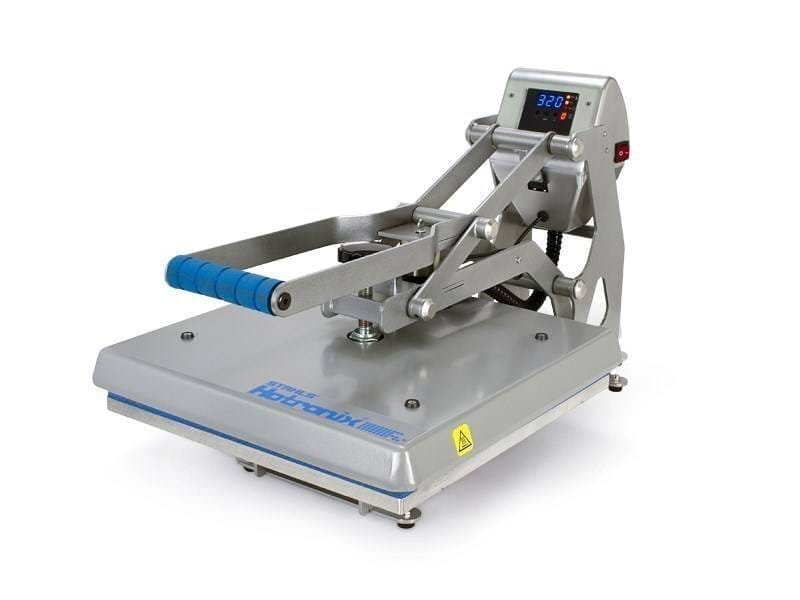
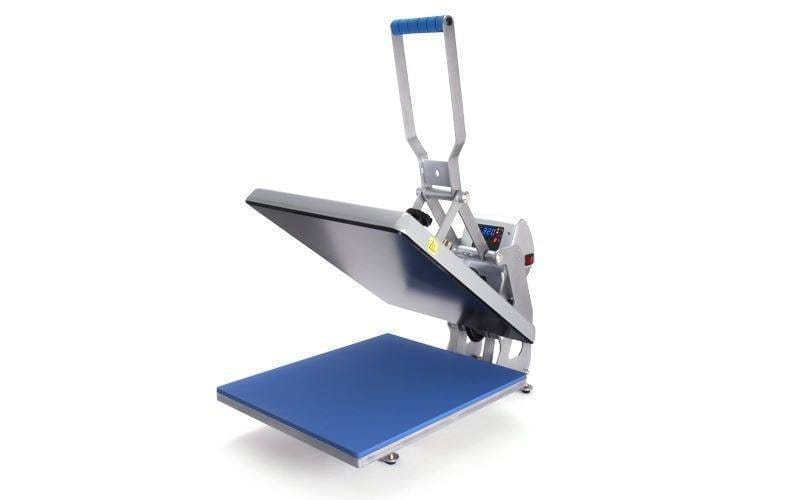
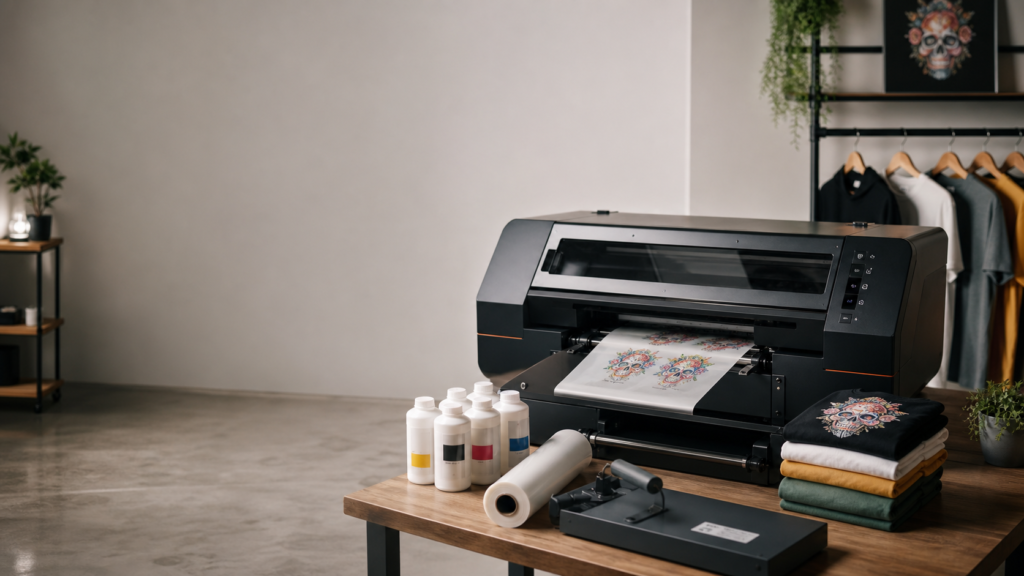
Direct to Film printing has rapidly become an industry standard. In this process, a specialized printer applies pigment-based ink onto a clear PET transfer film. The printer lays down the color layer first, followed by a white underbase. The film then passes through a duster where an adhesive powder is applied and melted in an oven. Finally, the finished transfer is heat-pressed onto the garment.
DTF was engineered to solve many of the limitations associated with DTG, making it a highly scalable solution for serious decorators.
No process is perfect, and DTF does have considerations you need to manage.
When comparing DTF vs DTG printing, you have to look beyond the final shirt and examine the workflow. How does the equipment handle a typical Tuesday in your shop?
With a DTG setup, an operator must take a dark shirt, pre-treat it, press it to dry the pre-treatment, load it carefully onto the printer, wait for it to print, and then press it again to cure the ink. The printer is tied up for the entire duration of that single garment’s cycle.
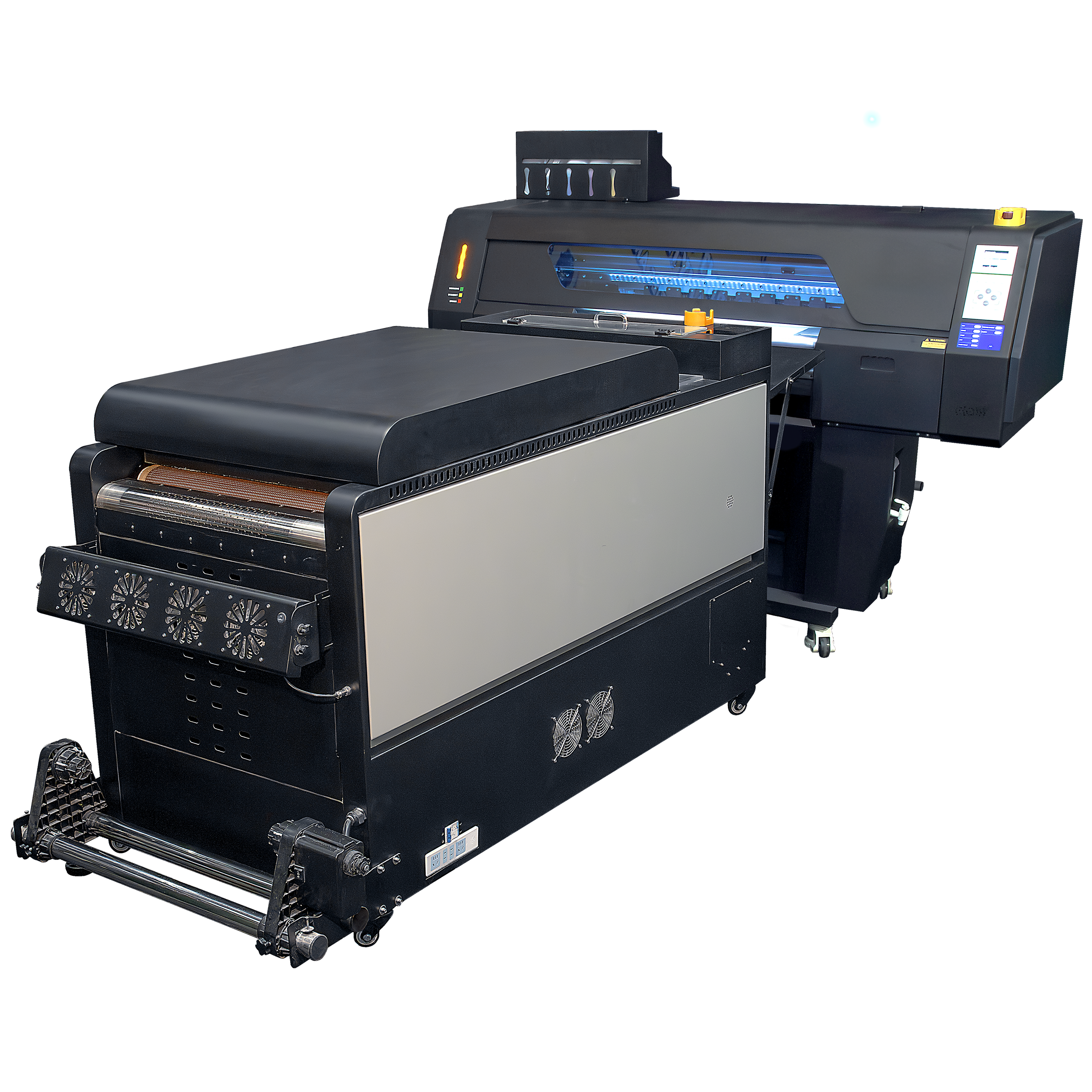
With a DTF setup powered by APAS equipment, the workflow is split into efficient stations. You load your artwork into your RIP software and send it to a commercial system like The Hydra. The printer continuously outputs transfers onto a roll, dusts them, and cures them automatically. While the printer runs unattended, your operators can be at the heat presses, applying previously printed transfers to garments. This division of labor drastically increases your output capacity and lowers your cost per print.
If your business focuses exclusively on low-volume, highly detailed prints on 100% light cotton garments, and you have the margins to support a slower production process, a DTG printer might fit your needs.
However, if your goal is to scale your business, accept orders for athletic wear, polyester blends, and hats, and produce hundreds of garments a day without drowning in manual labor, DTF is the clear choice. Direct to Film printing provides the versatility, speed, and profit margins necessary to compete in the modern apparel market.
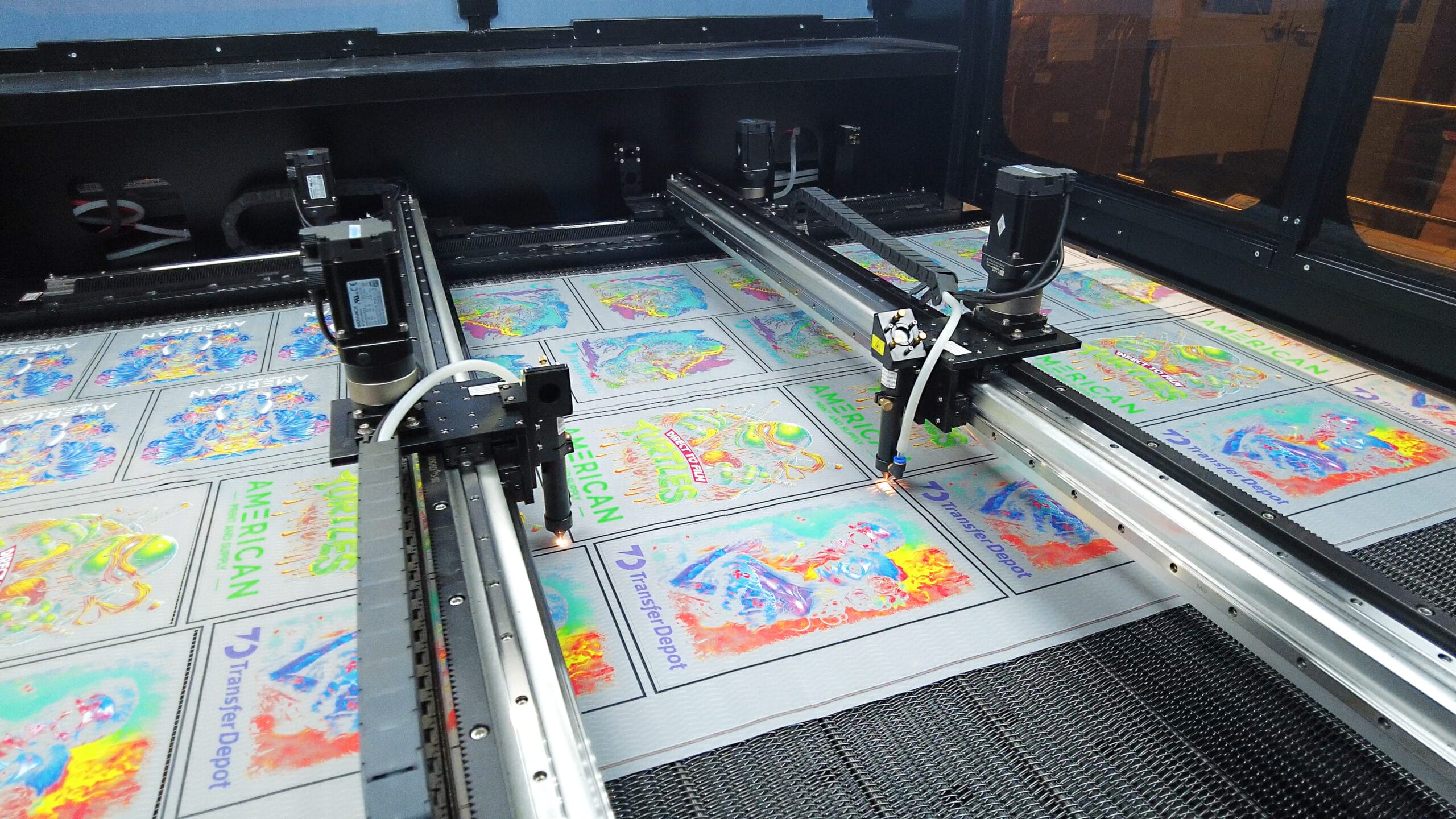
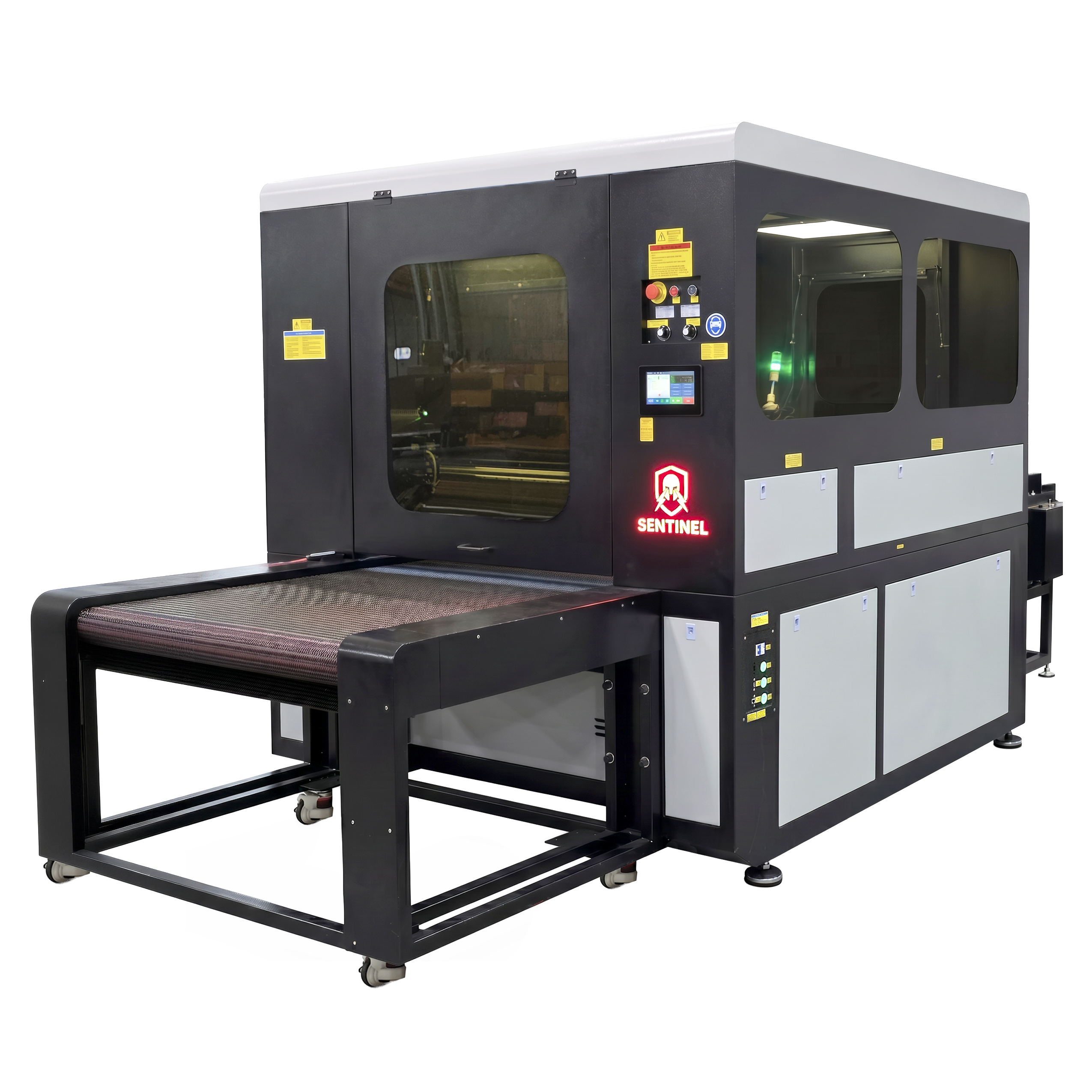
At American Print & Supply, we do more than sell equipment. We build production ecosystems. From our robust 8-head Kraken printers to our automated Sentinel laser cutters and premium consumables, we provide the tools and the white-glove training you need to reclaim your time and increase your output.
If you are ready to improve your production workflow, contact American Print & Supply to discuss which of our advanced DTF printing systems is the right fit for your facility.